Adopting the software factory model: crawl, walk, run
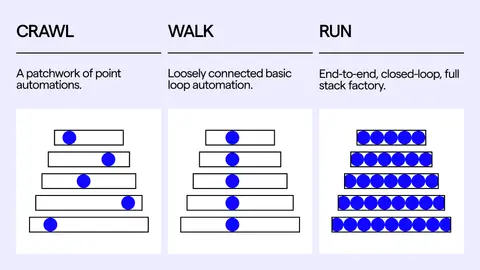
A crawl, walk, run path for adopting the software factory model: start with point automations, stand up an end-to-end cloud development loop, then scale to a closed-loop factory stack.
15 stories
A crawl, walk, run path for adopting the software factory model: start with point automations, stand up an end-to-end cloud development loop, then scale to a closed-loop factory stack.
It's time to apply a true engineering mindset to deploying coding agents. Set up a closed-loop system in the cloud where every agent is tracked and measured against your own data and workflows, so you can tune your setup on real data instead of vibes.
Warp Factories make it easy to automate your SDLC with coding agents. The harder challenge is building a factory that learns from feedback and improves with your team.
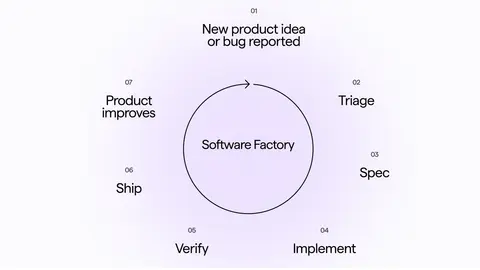
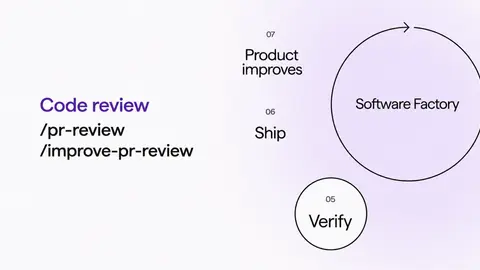
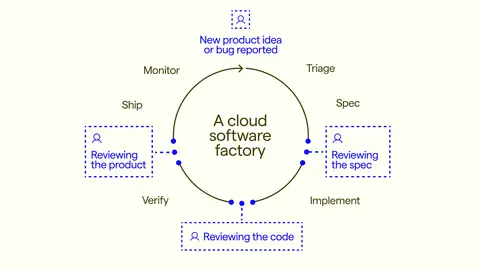
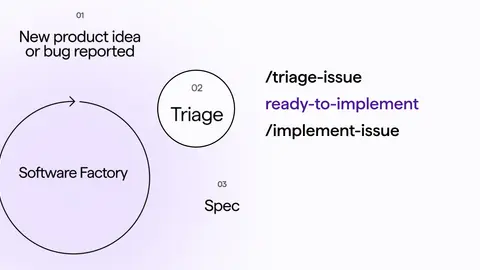
A cloud software factory is an automation loop around the software development lifecycle: triage, spec, implement, review, verify, ship, monitor. This guide walks through building one from scratch on GitHub Actions runners, one skill at a time.
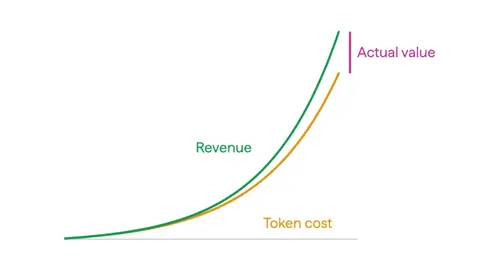
Startups that have had explosive AI-driven revenue growth might be in trouble. This is a consequence of the exact same open-weight model and AI sovereignty dynamics that are driving hype and discussion across twitter right now.
I'll describe how to build a code review agent, and how to have the quality of reviews it produces automatically improve over time as part of a cloud software factory.
Software development is shifting from interactive coding agents to cloud software factories — systems that automate major parts of the SDLC while improving security, compliance, and measurable ROI.
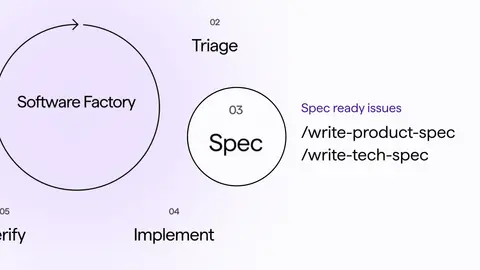
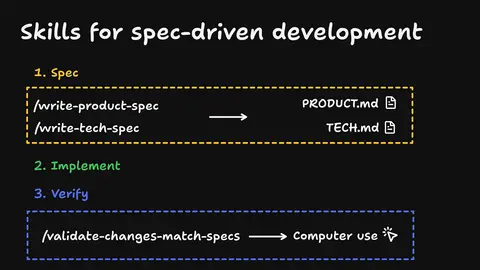
This is my second post in a series on how to build out a fully automated cloud software factory. In this post, I’ll show how you can add spec-driven development for issues that are too complex or ambiguous to one-shot. The goal of these posts is to build a fully working...
This post is the first in a series I’m doing on how to set up your own cloud software factory using skills and loops. It’s easier than it sounds to get something simple and effective running so you can start to automate significant parts of your team’s development flow.
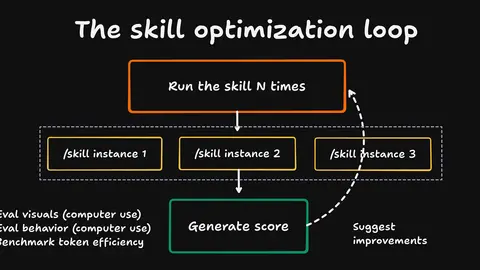
This post shows how to create a loop with automated feedback that an agent can run to optimize its own Skills. It uses an automated grader with computer use to assess how well a Skill is performing, and then iteratively improves the Skill.
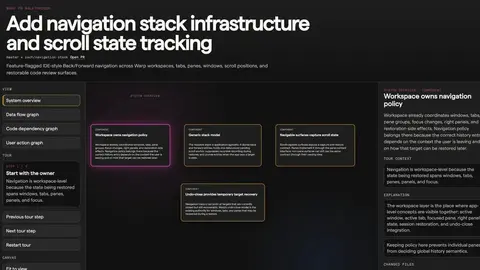
While we’re waiting for someone to re-invent Github I put together a useful skill that can help folks better understand agent (or human) generated PRs.
There’s been a lot of chatter about using “loops” lately to drive agents, and I think this has been accompanied by a bit of “what actually is a loop”?
Use Skills to guide agents through product specs, technical specs, implementation, and validation so spec-driven development is repeatable and reviewable.
Our marketing site sees over 10 million visitors a year. This past week, we launched a brand-new version — rebuilt from scratch so agents can work on it as fluidly as humans do.
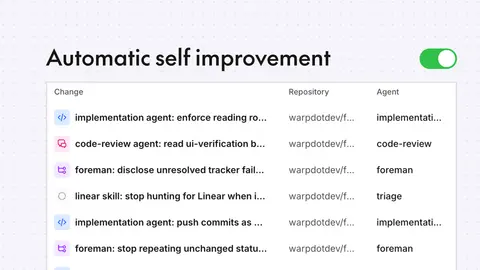
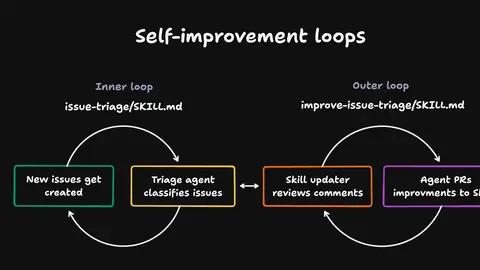
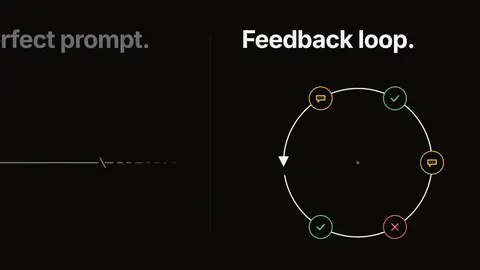
For agents doing judgement-heavy work, the starting prompt is only the beginning. The best agents learn what good looks like from the team and improve themselves over time.
Showing 15 of 15 stories
You're all caught up.
Get the top AI news and tools straight to your inbox every week.
Weekly · AI news from Warp Blog
Join 15,000+ AI enthusiasts