Shooting for the Moon: Ultrastable Lasers in Dark Craters Could Enable Lunar Navigation, Precision Timekeeping, New Science
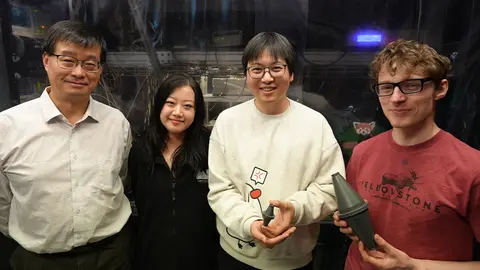
Lunar craters in permanent shadow could be ideal locations for building the most stable optical lasers ever made.
45 stories
Lunar craters in permanent shadow could be ideal locations for building the most stable optical lasers ever made.
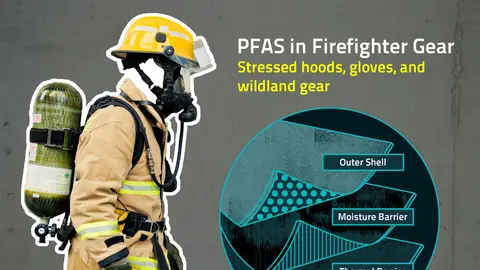
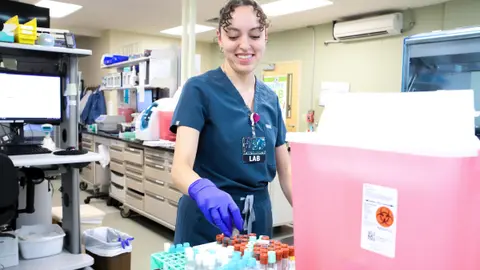
In the fourth of an ongoing series of reports, NIST shows that wear and tear increased the levels of PFAS found in hoods and gloves.
A NIST researcher has unveiled the results of a 10-year quest to measure the constant.
NIST scientists and collaborators have pioneered a way to make integrated circuits for light by depositing complex patterns of specialized materials onto silicon wafers.
The advance could allow these technologies to operate in deep-space probes, inside nuclear reactors, in ultrahigh vacuum systems, and at temperatures both near absolute zero and in scorchingly hot industrial settings.
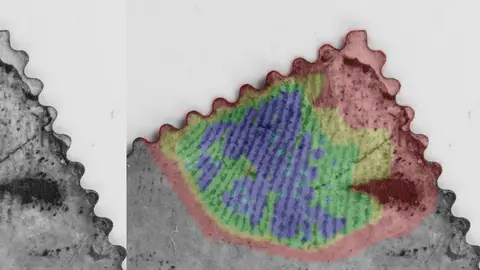
The new tools are an annotated collection of 10,000 fingerprints and a software program that can sort fingerprints according to their quality.
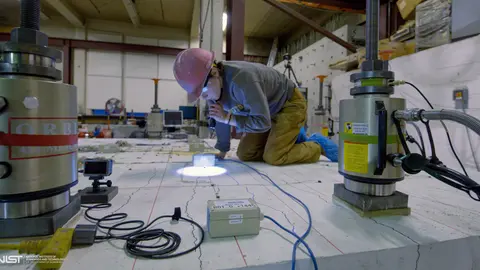
The report includes an overview of work completed on the Champlain Towers South investigation.
The award highlights organizations that focus on resilience.
The Initiative will ensure that the next generation of AI is widely adopted with confidence, can function securely on behalf of its users, and can interoperate smoothly across the digital ecosystem.
Showing 45 of 45 stories
You're all caught up.
Get the top AI news and tools straight to your inbox every week.
Weekly · AI news
Join 15,000+ AI enthusiasts