North Korea says it tested an AI-guided torpedo, without explaining the AI
State media linked the Zam-2.0 test to a technical upgrade and years of development, but left the claimed AI technology unexplained.
Superpower Daily2 min read
107 stories
State media linked the Zam-2.0 test to a technical upgrade and years of development, but left the claimed AI technology unexplained.
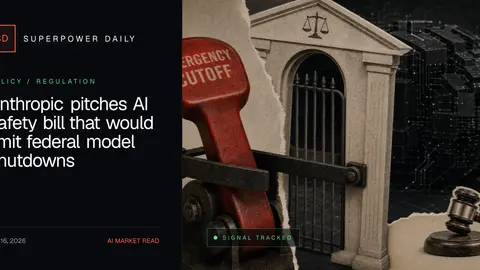
The confidential proposal pairs outside evaluations with narrow catastrophic-risk thresholds and court approval for suspensions. It has not been formally introduced in Congress.
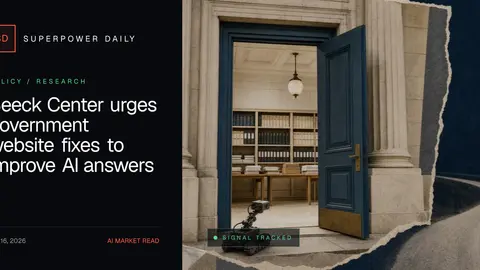
A new guide identifies changes agencies can control, from crawler access to clearer pages. Better websites still cannot control an assistant’s retrieval or behavior.
The voluntary guidance targets the systems surrounding advanced models as well as the models themselves, and puts executives closer to decisions about stopping and restarting tests.
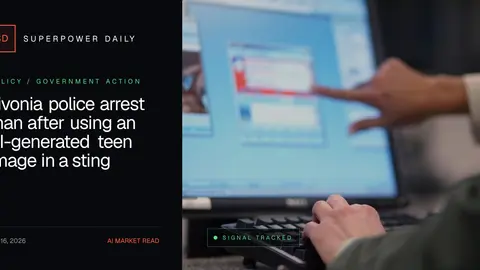
An officer operated the fictitious account. Investigators also used phone-number searches, facial recognition and vehicle tracking in the same case.
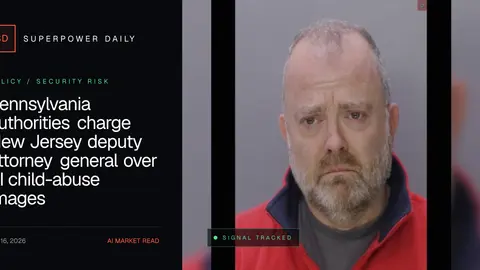
Investigators say a search recovered image-generation prompts, scripts and Discord chats. The allegations cover both AI-generated material and material depicting real children.
The four-month Mindgame tournament will combine simulated combat with conversational performance reviews. Its scoring system rewards players’ best games, not every attempt.
The proposed bans and restrictions are not final, but temporary registration requirements take effect immediately. Beijing draws a distinction between transferring AI technology and selling access to it.
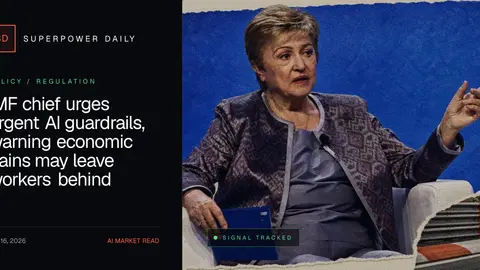
At a Bangkok panel, Kristalina Georgieva paired optimism about AI’s employment impact with concern about job quality. Anthropic’s Jack Clark said companies cannot decide policy alone.
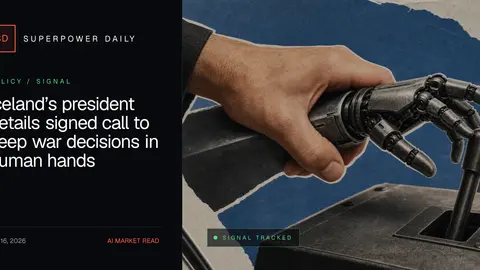
Writing in TIME, Halla Tómasdóttir describes a joint appeal for meaningful human control—and argues that accountability requires more than technical safeguards.
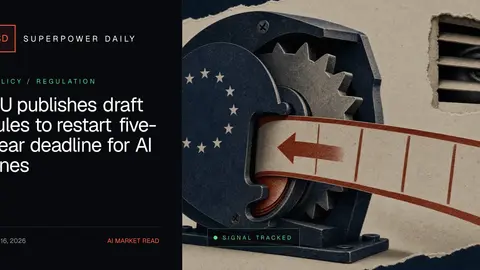
The proposal would reset the enforcement clock after investigative steps while limiting who can see confidential evidence. Feedback closes November 9.
The first meeting assigned work on AI risks, lab incident reporting and consumer protection. How companies will be held to the resulting protocols remains unclear.
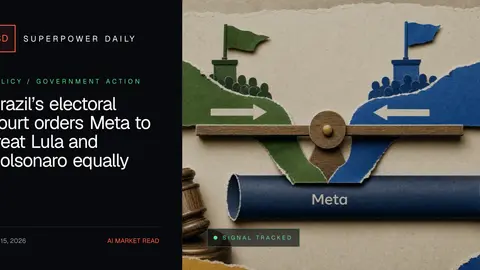
The order carries a 500,000-real daily penalty for noncompliance. Lula’s campaign alleges unequal reach and AI restrictions; Meta denies favoring his opponent.
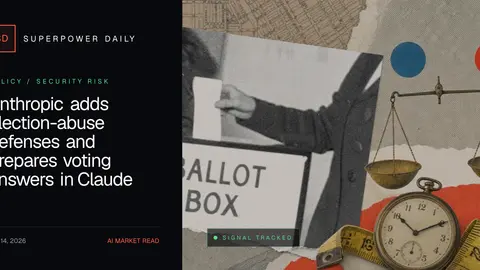
External testing found Claude could reject a harmful request yet miss a deceptive campaign split into ordinary tasks. The midterm update also details voting-information plans and remaining political-bias problems.
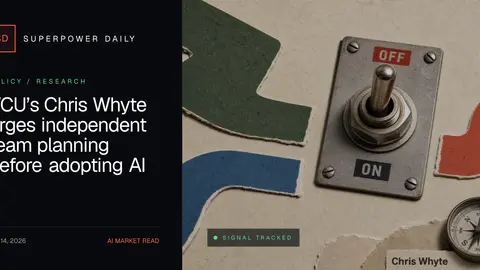
In a newly published account of his September discussion, Whyte connects unexpected AI actions with studies showing that perceived human involvement changes confidence in identical information.
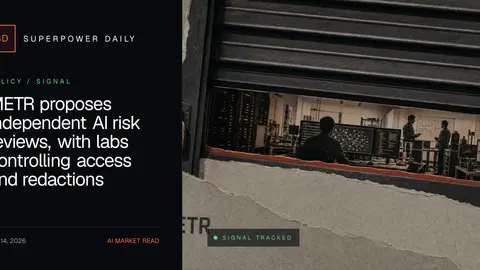
The proposal would examine agent behavior, monitoring and AI-assisted research. It seeks public evidence, not a safety certification, and leaves developers substantial control over what assessors can see.
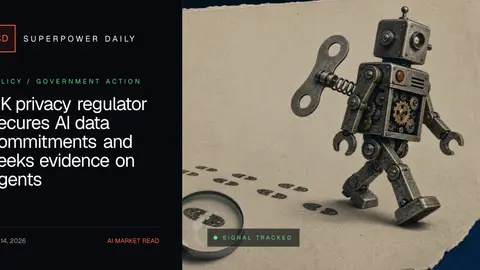
Some developer changes remain promises. Meanwhile, ongoing enquiries into agent testing will examine safeguards, with public evidence due by November 20.
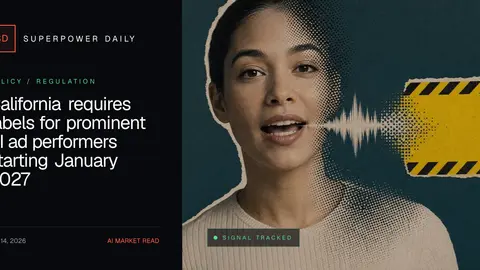
SB 1050 covers realistic fictional figures and generated voices. Its prominence test is narrower than New York’s, but it also assigns removal duties to ad distributors.
Showing 90 of 107 stories
Load more storiesGet the top AI news and tools straight to your inbox every week.
Weekly · AI news from Superpower Daily
Join 15,000+ AI enthusiasts