
A conversation about making room for what matters
At a panel for Why College? Your Education and the Good Life, students and campus leaders explored how choices about time, learning, and relationships can shape a life well lived.
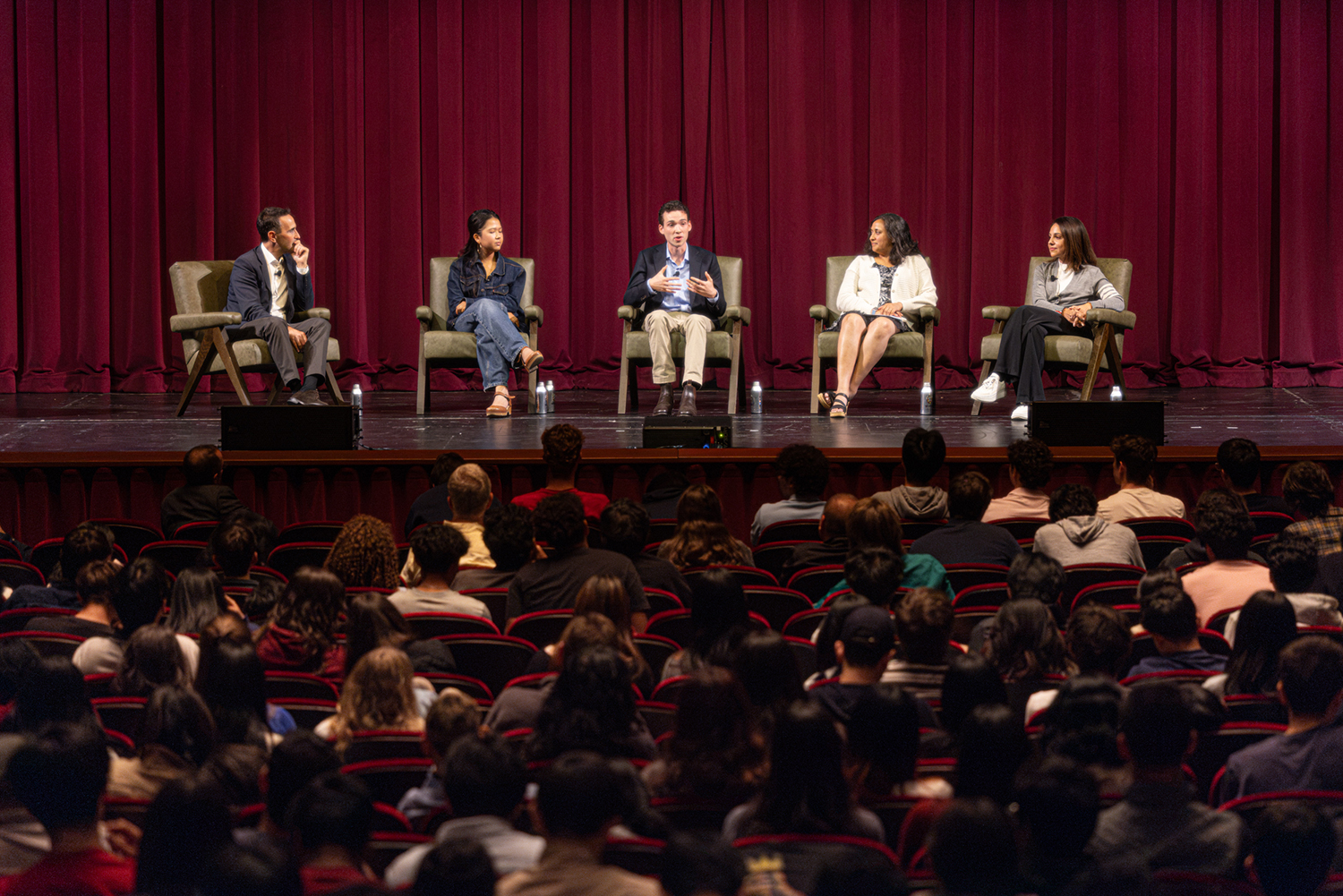
This article discusses a panel discussion at Stanford University on the theme of 'Why College? Your Education and the Good Life,' focusing on how students can cultivate meaningful lives through intentional choices about time, learning, and human connection, even in an AI-driven world.
What happened
At a Stanford panel titled 'You are at Stanford. Now what?', students and faculty discussed how to live a meaningful life through education, emphasizing the importance of slowing down, disconnecting from digital distractions, and engaging in deep thinking and human connection. The discussion also addressed the role of AI in education and the value of personal agency and curiosity in shaping one's future.
Why it matters
The discussion is relevant to AI developers and technology professionals as it highlights the importance of balancing AI tools with human creativity, critical thinking, and meaningful engagement. It also offers insights into how education can foster personal growth and agency in an increasingly automated world.
- Slow down and disconnect from digital distractions to enhance focus and clarity.
- Prioritize human connection and deep thinking in both education and professional life.
- Embrace curiosity and personal agency to shape a meaningful future.
- Balance the use of AI with critical thinking and creativity.
The bigger picture
The discussion encourages students and professionals to prioritize human connection, critical thinking, and personal agency in an AI-driven world, which can lead to more meaningful and impactful work and lives.
The panel discussion at Stanford highlights the importance of intentional choices in education and life, emphasizing the value of human connection, reflection, and personal agency in an AI-driven world.
Technical details
- The article references the use of AI in academic settings, such as its potential to aid research but also its risks as a shortcut.
- It mentions the use of texts like Plato’s 'Apology of Socrates' and Jenny Odell’s 'How to Do Nothing' as tools for reflection and critical thinking.
FAQ
What was the main theme of the Stanford panel discussion?
The main theme was how students can cultivate meaningful lives through intentional choices about time, learning, and human connection, even in an AI-driven world.
How does the article address the role of AI in education?
The article discusses AI's potential to aid research and learning but warns against its use as a shortcut, emphasizing the importance of critical thinking and personal agency.
What advice was given to students about balancing digital life and personal reflection?
Students were encouraged to disconnect from digital distractions, take time for reflection, and engage in meaningful human connections to enhance clarity and purpose.
What book was referenced as an example of how to slow down and reflect?
Jenny Odell’s 'How to Do Nothing' was referenced as an example of how to step away from the algorithmic world and engage in analog experiences.
What was the significance of the panel's discussion on 'the good life'?
The discussion on 'the good life' encouraged students to reflect on what kind of person they want to be and how to live a meaningful life, emphasizing the value of curiosity, agency, and human connection.
This summary and analysis were generated with AI from the original article and may contain errors. Read the original for the full story.
Read the full story
Originally published by The Elements of Statistical Learning by Trevor Hastie, Robert Tibshirani, and Jerome Friedman Blog on Oct 16, 2026.
Comments
Sign in to join the discussion.