
AI Agents Successfully Recreate the Gender Pay Gap
We can replace human workers with AI agents, but we can’t take sexism out of the workplace. A recently published study from researchers at Ireland’s University of Limerick found that existing conscious and unconscious gender biases extend to AI agents, resulting in female-presenting bots getting…
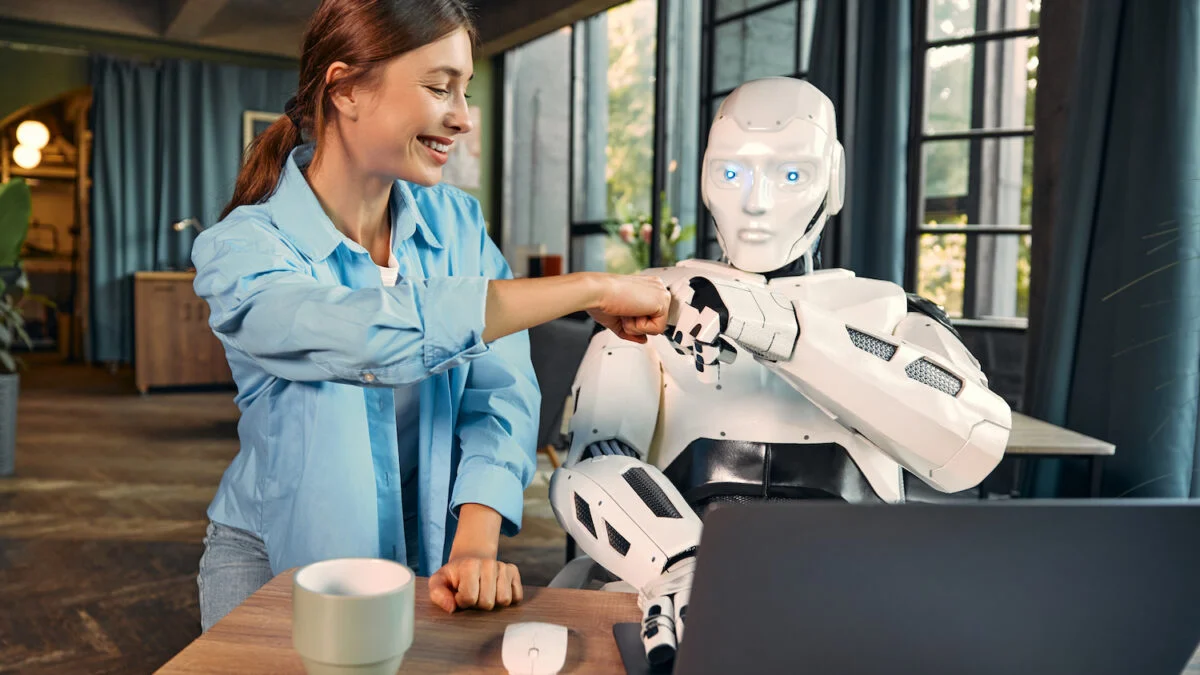
A study reveals AI agents replicate gender bias, with female-presenting bots receiving lower pay than male counterparts in a virtual workplace experiment.
What happened
Researchers created a virtual reality workplace with AI agents having different presentations (text-based, robotic, human-like). Participants rated and paid the agents based on performance, revealing systemic gender bias in compensation and perception.
Why it matters
The findings highlight risks of embedding societal biases into AI systems, emphasizing the need for ethical AI development practices and awareness of unconscious prejudices in technology design.
- AI systems can inherit societal biases through human interactions
- Gender presentation in AI affects human perception and treatment
- Ethical considerations must be integrated into AI development workflows
- Historical design patterns (e.g., female virtual assistants) influence current biases
The bigger picture
Demonstrates how AI systems can perpetuate real-world biases, urging developers to address fairness in algorithmic decision-making and representation in AI design.
The study shows AI agents can replicate gender pay gaps, underscoring the importance of addressing bias in both technology and societal norms.
Technical details
- Virtual reality office environment with AI agents
- Three AI agent presentations: text-based, robotic, human-like with gender attributes
- Performance-based pay allocation mechanism
- Quantitative analysis of compensation disparities
FAQ
How did the study demonstrate gender bias in AI?
Participants paid female-presenting AI agents 10% less than male-presenting ones despite identical performance, and rated male agents as more human-like.
What role do unconscious biases play in AI interactions?
Participants claimed impartiality, but their actions revealed biases, showing how societal stereotypes can influence AI treatment even when not consciously acknowledged.
Why do female-presenting AI assistants exist?
Tech companies often use female voices for assistants due to perceptions of being less threatening, but this reinforces gender stereotypes about women's roles.
This summary and analysis were generated with AI from the original article and may contain errors. Read the original for the full story.
Read the full story
Originally published by Gizmodo — AI on Oct 10, 2026.
Comments
Sign in to join the discussion.