
Altman-backed Volantis reveals plan to vault the memory wall by baking photonics into AI accelerators
Anthropic's super bug-hunting model Mythos is hardcore good at math, as latest vuln under attack shows 2 days ago
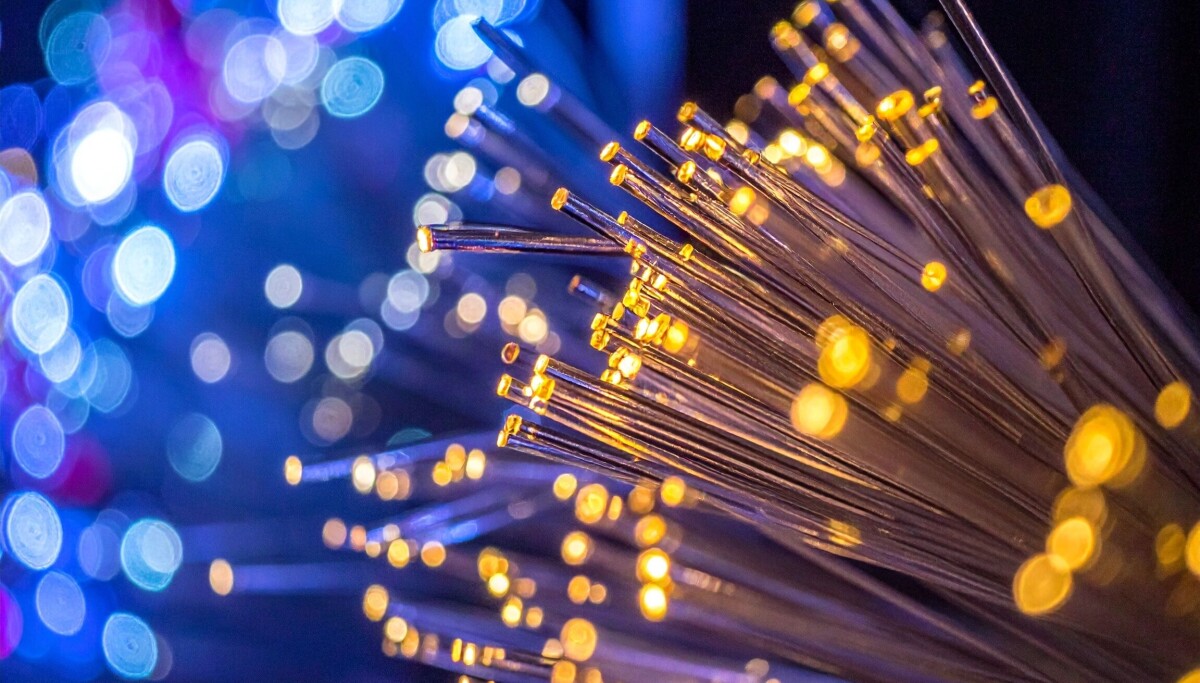
Sam Altman-backed AI chip startup Volantis has unveiled plans to overcome the memory wall by integrating photonics into AI accelerators, aiming to significantly boost memory bandwidth and capacity.
What happened
Sam Altman-backed AI chip startup Volantis has announced its plan to address the memory wall in AI accelerators by incorporating photonics. The company is developing an AI accelerator called A-1, which uses a photonic interposer to increase memory bandwidth and capacity. This approach allows for up to 10 TB of memory at 240 TB/s speeds, enabling the support of large-scale AI models. Volantis is focusing on optical waveguides and micro-VCSELs to enhance reliability and performance.
Why it matters
Overcoming the memory wall is crucial for advancing AI capabilities, as current limitations in memory bandwidth and capacity hinder the performance of large-scale models. Volantis' approach could enable more efficient and powerful AI accelerators, benefiting developers and businesses reliant on high-performance computing.
- Volantis is leveraging photonics to overcome the memory wall in AI accelerators.
- The use of optical waveguides and micro-VCSELs improves reliability and performance.
- The company's focus on a fully fledged inference chip sets it apart from competitors.
The bigger picture
Volantis' innovation in photonic interposers could lead to more efficient AI accelerators, addressing current limitations in memory bandwidth and capacity. This could enable the development of larger and more complex AI models, enhancing performance for various applications.
Sam Altman-backed Volantis is pioneering the integration of photonics into AI accelerators to address the memory wall, with plans to develop a high-performance AI chip that could significantly enhance AI model capabilities.
Technical details
- Photonic interposer
- Optical waveguides
- Micro-VCSELs (micro vertical-cavity surface-emitting lasers)
- HBM (High Bandwidth Memory)
- Interconnects (link speed and number of links)
- Power efficiency (1 picojoule per bit per 24 Gbps lane)
- System power (around 20kW)
FAQ
What is the memory wall in AI accelerators?
The memory wall refers to the limitation in memory bandwidth and capacity that restricts the performance of AI accelerators, making it difficult to handle large-scale models efficiently.
How does Volantis plan to overcome the memory wall?
Volantis is using a photonic interposer with optical waveguides to increase memory bandwidth and capacity, allowing for faster data transfer between memory and compute units.
What are micro-VCSELs, and why are they important for Volantis?
Micro-VCSELs are integrated light sources that enhance the reliability of Volantis' photonic interposer. They provide a more efficient and reliable alternative to external lasers, contributing to the overall performance of the AI accelerator.
This summary and analysis were generated with AI from the original article and may contain errors. Read the original for the full story.
Read the full story
Originally published by The Register on Oct 5, 2026.
Comments
Sign in to join the discussion.