
An Auditing Framework for AI Agents: How to Measure What They Did Against the SOP They Were Given
Traditional RPA bots break every time an app changes, forcing developers to rebuild workflows. Computer use agents read the screen and follow SOPs directly, making it easy to audit actions. Here is how to audit an AI agent against its SOP and why this matters for your automation strategy.
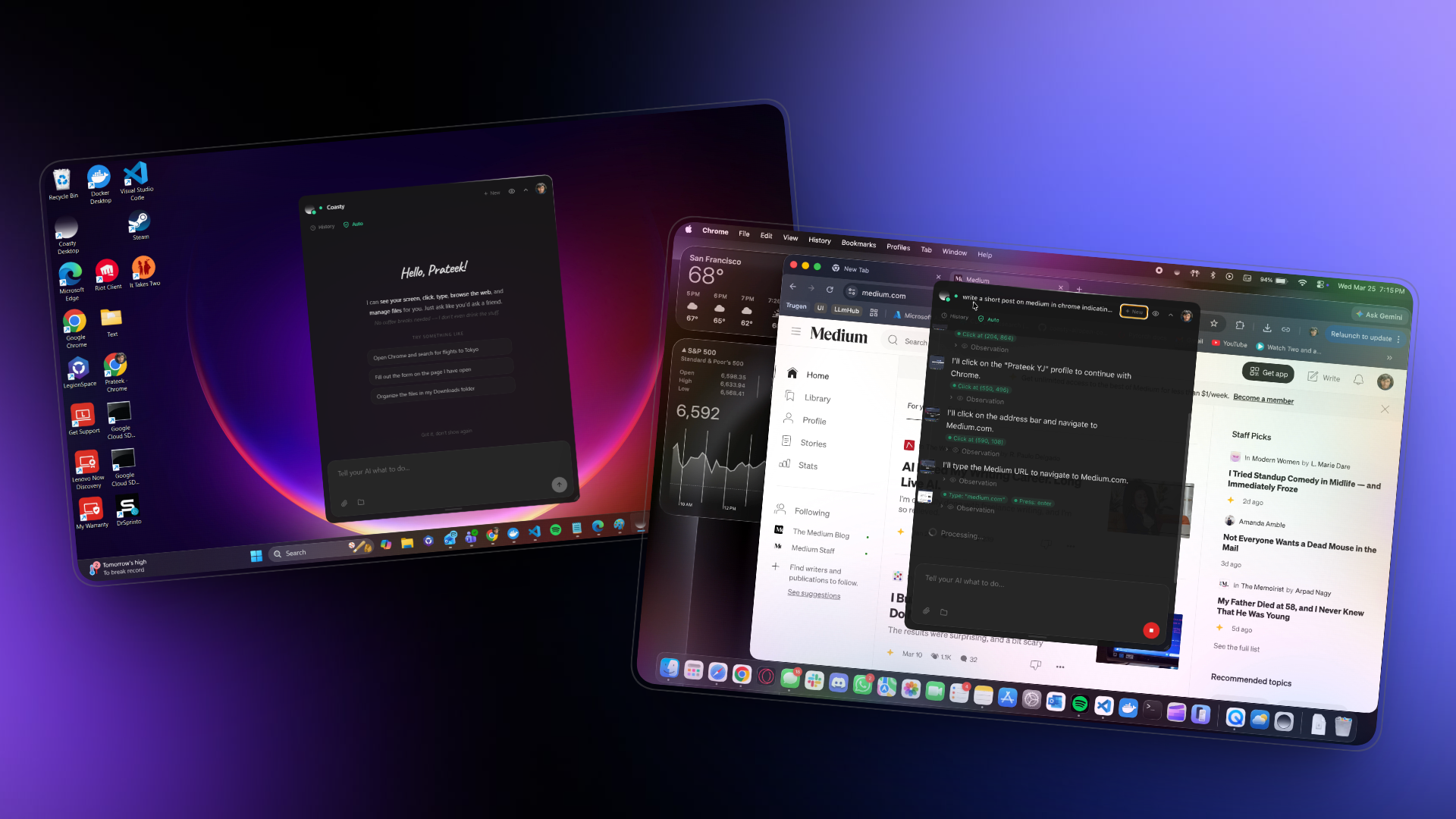
The article discusses an auditing framework for AI agents, focusing on how to measure their actions against the standard operating procedures (SOPs) they were given. It highlights the limitations of traditional RPA bots and introduces computer use agents as a more auditable alternative.
What happened
The article explains the challenges of auditing traditional RPA bots and introduces computer use agents as a solution. It outlines the process of auditing AI agents against their SOPs and suggests a hybrid automation strategy.
Why it matters
For AI developers and technology professionals, understanding how to audit AI agents is crucial for ensuring compliance, traceability, and reliability in automation processes. It helps businesses maintain efficient and auditable automation strategies.
- Traditional RPA bots are prone to breaking with UI changes, making them hard to audit.
- Computer use agents offer a more adaptable and auditable solution by using vision models.
- A hybrid automation strategy combining RPA and AI agents can optimize efficiency and reliability.
The bigger picture
The article suggests that adopting computer use agents can reduce maintenance costs and improve auditability in automation processes. It encourages a hybrid approach to leverage the strengths of both RPA and AI agents.
The article presents an auditing framework for AI agents, emphasizing their advantages over traditional RPA bots. It advocates for a hybrid approach to automation, leveraging the strengths of both technologies for better auditability and efficiency.
Technical details
- Traditional RPA tools rely on selectors, xpaths, and object IDs to locate elements on a screen.
- Computer use agents use vision models to interpret the screen and act like humans.
- Detailed logs with screenshots, text read from the screen, and action sequences are generated by computer use agents.
- Auditing involves comparing logs from RPA and computer use agents to identify discrepancies.
FAQ
What are the main limitations of traditional RPA bots?
Traditional RPA bots are brittle and difficult to audit because they rely on selectors and object IDs that break with UI changes. They often halt or perform incorrect actions, leading to maintenance backlogs.
How do computer use agents improve auditability compared to RPA bots?
Computer use agents use vision models to adapt to UI changes and generate detailed logs with screenshots, text, and action sequences. This allows for line-by-line comparison with SOPs, making their actions fully auditable.
What is the recommended automation strategy according to the article?
The article recommends a hybrid approach: using RPA for high-volume, stable tasks and computer use agents for dynamic processes requiring adaptability and auditability.
This summary and analysis were generated with AI from the original article and may contain errors. Read the original for the full story.
Read the full story
Originally published by Coasty Blog on Oct 14, 2026.
Comments
Sign in to join the discussion.