
Contest-Winning Microscope Video Thrown Out for Using Generative AI
Ning Xu's winning entry to Nikon Instruments' Small World in Motion competition was ineligible due to AI, a spokesperson for the contest told Gizmodo.
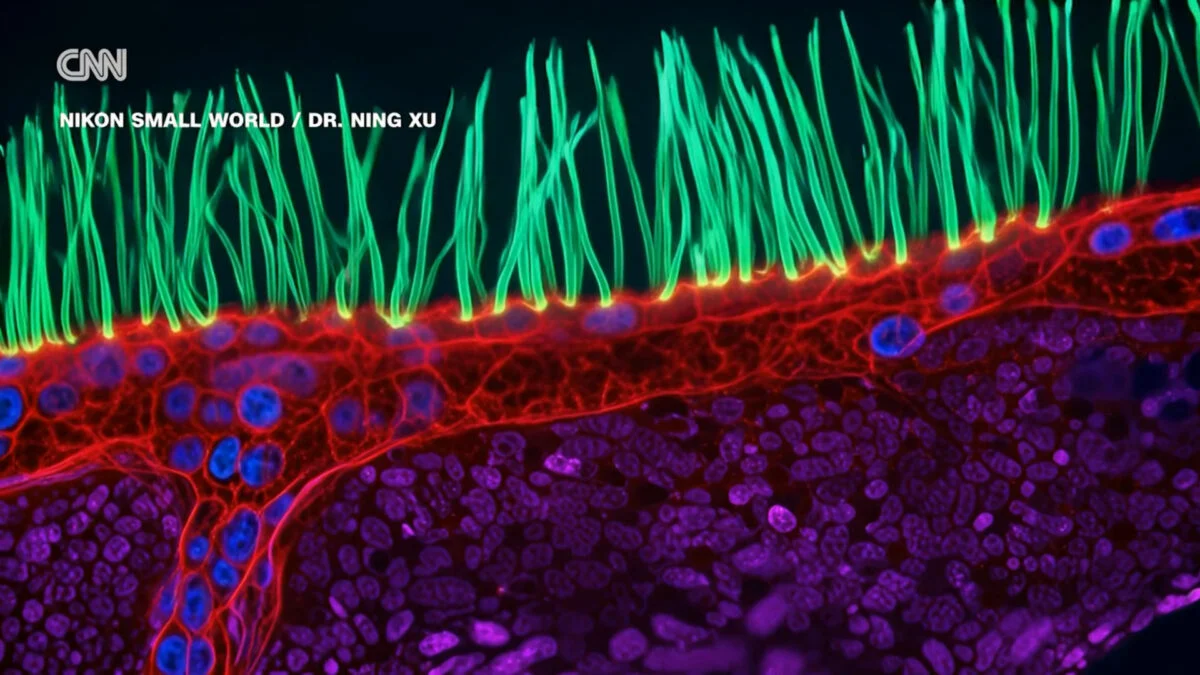
A microscopy contest disqualified its winning entry after determining the video used generative AI for postprocessing, sparking debates about AI's role in scientific research.
What happened
Nikon's photomicrography contest disqualified Ning Xu's winning video after determining it used generative AI for postprocessing. The video, which depicted cilia in airway tissue, contained fabricated structures and an AI watermark. The contest adjusted rankings, naming a new winner and pledging to update rules for future entries.
Why it matters
The case underscores the growing need for clear guidelines on AI use in scientific visualization, as fabricated data risks undermining trust in research. It also reflects broader debates about balancing AI's creative potential with ethical standards in science.
- AI tools require clear ethical boundaries in scientific research contexts.
- Transparency in image processing is critical for maintaining research credibility.
- Contest organizers must adapt rules to address emerging AI technologies.
The bigger picture
The disqualification may influence future policies on AI use in scientific competitions, reinforcing the need for explicit rules about tool transparency and data authenticity.
The disqualification of the microscopy contest entry highlights the challenges of integrating generative AI into scientific workflows, emphasizing the need for updated ethical frameworks and transparency standards.
Technical details
- Generative AI for postprocessing: AI tools altered original research footage to create non-biological structures.
- SynthID watermark: A digital marker indicating AI-generated content.
- Scientific image integrity: Guidelines emphasize transparency in image manipulation, with AI's pixel-fabrication capabilities posing new challenges.
FAQ
Why was the winning video disqualified?
The video violated rules against generative AI use, as it contained AI-generated structures not present in the original research footage.
What role did AI play in the video?
The creator used AI for postprocessing, altering original footage to generate non-biological structures visible in the final video.
How might this affect future scientific contests?
The incident may prompt stricter AI use policies, requiring explicit disclosure of AI tools in research visualization and data presentation.
This summary and analysis were generated with AI from the original article and may contain errors. Read the original for the full story.
Read the full story
Originally published by Gizmodo — AI on Oct 9, 2026.
Comments
Sign in to join the discussion.