
Googlebooks mark the end of the old Google
Does Google still believe in the open web? With the launch of its new Googlebooks, it doesn’t feel that way. Googlebooks are Google’s attempt to establish a new platform of Android-based laptops, with native Android app support and tight connectivity with Android phones.
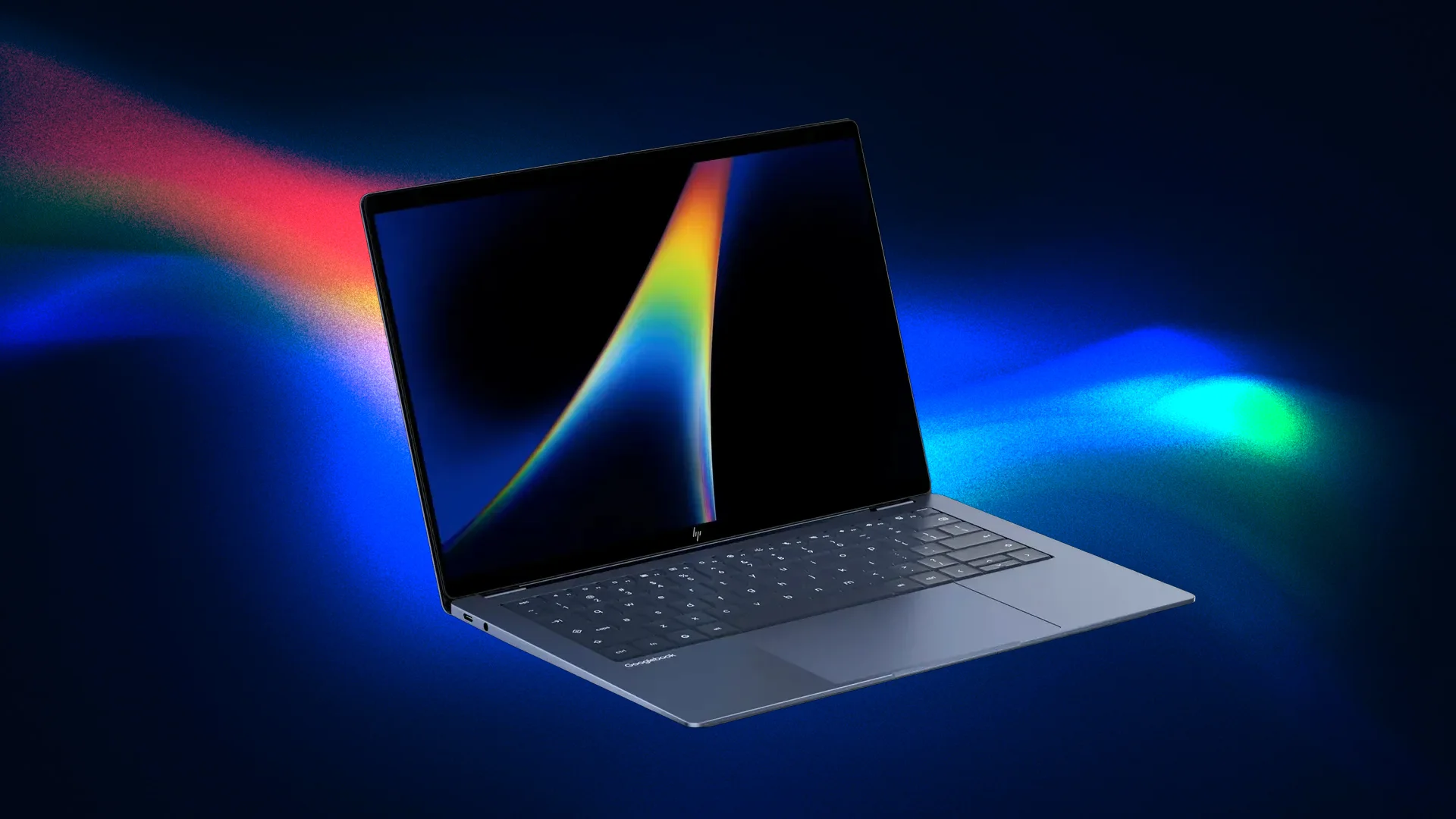
The article discusses Google's transition from ChromeOS to Android-based Googlebooks, highlighting the company's shift away from its original open-web vision and toward AI-integrated platforms.
What happened
Google announced the launch of Googlebooks, Android-based laptops with native app support and AI integration, while planning to discontinue ChromeOS by 2034. The article traces ChromeOS's evolution from a web-focused platform to a more complex system, ultimately leading to its replacement by Googlebooks, which prioritize Android and AI over open-web principles.
Why it matters
For developers and businesses, this shift underscores the growing influence of AI in computing and the decline of open-web-centric platforms. It raises questions about the future of interoperability and user control in technology ecosystems.
- Google's focus is shifting from open-web ideals to AI and Android-centric platforms.
- ChromeOS's evolution highlights the challenges of balancing openness with functionality.
- The phase-out of ChromeOS by 2034 signals a long-term strategic pivot for Google.
The bigger picture
The transition may accelerate industry moves toward AI-driven, closed-platform ecosystems, potentially reducing reliance on open-web standards and increasing dependency on Google's controlled environments.
The article frames Googlebooks as a symbolic end to Google's early commitment to the open web, reflecting broader industry trends toward AI and proprietary ecosystems.
Technical details
- ChromeOS: Lightweight, web-centric OS with minimal local storage and security-focused design.
- Googlebooks: Android-based laptops with desktop Chrome, Android app support, and AI features like Gemini.
- Phase-out of ChromeOS: Full discontinuation by 2034, with existing models converted to Googlebooks.
- AI integration: Gemini features accessible via gestures, reflecting Google's AI-first strategy.
FAQ
What are Googlebooks?
Googlebooks are Android-based laptops with native Android app support, tight phone integration, and AI features like Gemini, replacing ChromeOS.
Why is Google phasing out ChromeOS?
Google aims to focus on AI-driven workflows and Android integration, moving away from ChromeOS's original open-web vision.
What does this mean for the open web?
The shift suggests a decline in Google's support for open-web principles, favoring closed, AI-centric platforms.
When will ChromeOS be discontinued?
Google plans to end support for ChromeOS entirely by 2034.
How do Googlebooks differ from Chromebooks?
Googlebooks prioritize Android apps and AI features, while Chromebooks were designed for web-centric, lightweight computing.
This summary and analysis were generated with AI from the original article and may contain errors. Read the original for the full story.
Read the full story
Originally published by Fast Company — Technology on Oct 10, 2026.
Comments
Sign in to join the discussion.