
How de-extincting dire wolves and woolly mammoths may extend human life
Colossal Biosciences CEO Ben Lamm says bringing extinct species back can contribute to conservation, healthcare and developmental biology.
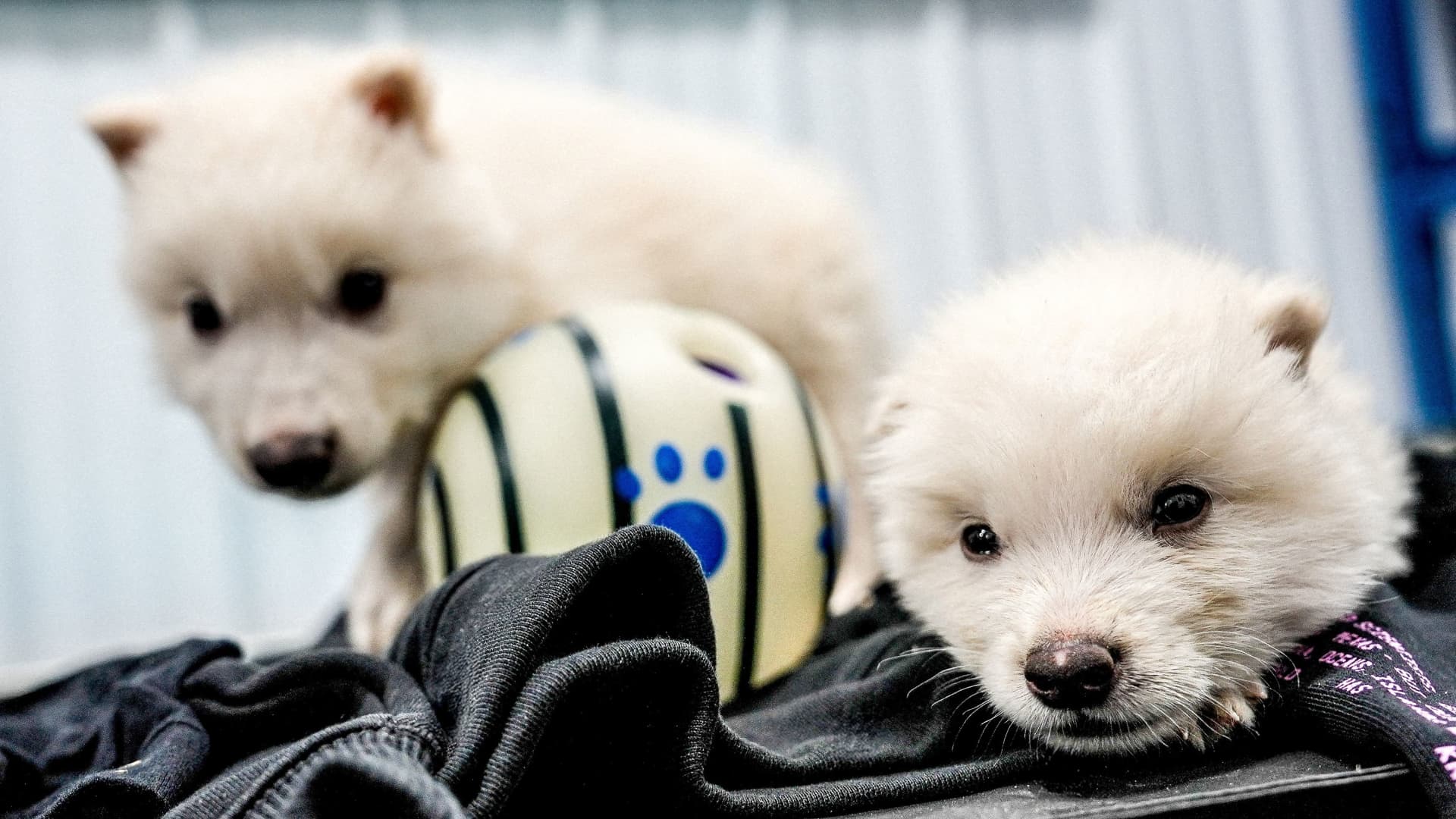
Colossal Biosciences is using AI and genetic engineering to de-extinct species like dire wolves and woolly mammoths, with potential applications in conservation, healthcare, and biotechnology.
What happened
Colossal Biosciences, led by CEO Ben Lamm, is working on de-extincting species like dire wolves and woolly mammoths using AI-driven genome reconstruction and CRISPR editing. The company claims these efforts could advance conservation, climate solutions, and medical research, while facing skepticism about the practicality of 'de-extinction.'
Why it matters
The article highlights how genome engineering and AI could address biodiversity loss and climate change, while also advancing medical research through insights into genetic diseases and evolutionary biology.
- AI and CRISPR are enabling new approaches to conservation and genetic research.
- De-extinction projects may yield insights into human health and climate solutions.
- Investor interest in biotechnology is growing, driven by ambitious scientific goals.
The bigger picture
The projects demonstrate the potential of AI and genetic engineering to address ecological and medical challenges, though their practical impact remains debated. The work also advances DNA synthesis and genome editing technologies.
Colossal Biosciences is pioneering de-extinction through AI and genetic engineering, aiming to merge conservation, climate action, and medical innovation while navigating scientific and ethical debates.
Technical details
- AI models reconstruct ancient genomes from fossil DNA, mapping them to modern species like gray wolves.
- CRISPR gene editing is used to modify modern animals to resemble extinct species.
- Synthetic biology and directed evolution are applied to study genetic traits with potential human health applications.
- Surrogate mothers (e.g., domestic dogs) are used to birth genetically modified offspring.
FAQ
What is de-extinction, and how does AI enable it?
De-extinction involves reviving extinct species using genetic engineering. AI reconstructs ancient genomes from fossil DNA, which are then edited into modern species to recreate extinct traits.
What are the potential benefits of de-extinction beyond conservation?
The article suggests applications in healthcare, such as understanding cancer resistance in elephants, and climate solutions, like using woolly mammoths to restore Arctic ecosystems.
How does Colossal Biosciences fund its projects?
The company has raised over $435 million, including a $200 million Series C round, and emphasizes investor interest driven by scientific ambition and potential long-term applications.
This summary and analysis were generated with AI from the original article and may contain errors. Read the original for the full story.
Read the full story
Originally published by CNBC — Technology on Oct 10, 2026.
Comments
Sign in to join the discussion.