
How long will humans be needed for translation?
AI dominates the translation business, but for high-stakes work, humans are still needed.
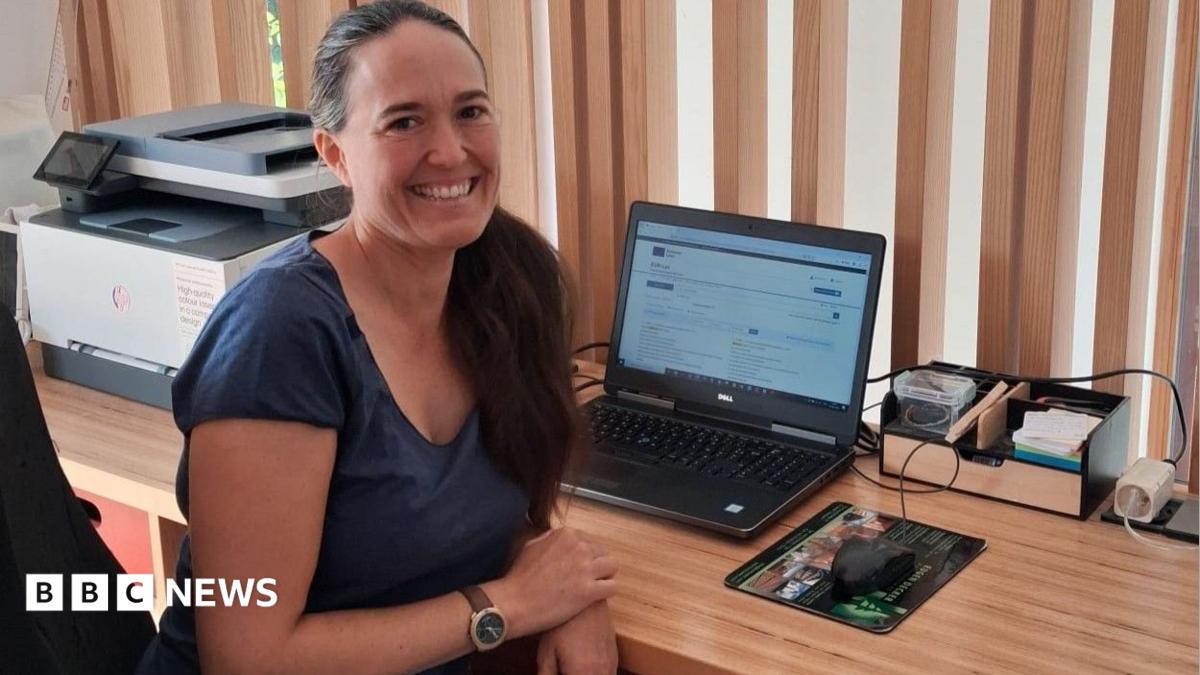
The article explores the role of humans in translation as AI systems increasingly dominate the field, highlighting the challenges and limitations of machine translation in high-stakes scenarios.
What happened
The article discusses how AI has become a dominant force in translation, but human translators are still necessary for high-stakes tasks. It highlights examples of AI errors in legal, medical, and idiomatic contexts, and explores the growing role of AI in the translation industry, including its financial impact and the challenges of ensuring accuracy.
Why it matters
The article matters to AI developers and professionals because it highlights the current limitations of AI translation systems and the ongoing need for human oversight in critical domains. It also underscores the importance of improving AI's ability to understand context and detect errors, which is crucial for the reliability of machine translation.
- AI translation is now widely used, but human oversight is still essential for high-stakes tasks.
- AI systems can misinterpret idioms and context, leading to errors in translation.
- The translation industry is growing rapidly, with billions of words translated monthly.
- Future AI systems may include self-correcting mechanisms and the ability to express uncertainty.
- Human translators are still needed to catch errors and ensure accuracy in critical domains.
The bigger picture
The impact of AI translation is significant, as it has reduced costs and increased efficiency in the translation industry. However, the need for human oversight remains critical in fields where accuracy is paramount, such as law, medicine, and journalism.
While AI has transformed the translation industry, human translators remain crucial for accuracy in high-stakes scenarios. The article emphasizes the need for continued improvements in AI translation systems to ensure reliability and reduce the risk of errors in critical contexts.
Technical details
- AI translation systems use probability to determine the most likely translation.
- AI tools like Google Translate, DeepL, and Gemini are widely used in the industry.
- Translation systems may use multiple AI tools simultaneously for self-correction.
- AI-generated text is often checked by human translators, especially for critical content.
FAQ
Why are humans still needed for translation despite AI dominance?
Humans are still needed for high-stakes tasks like legal and medical translations where accuracy is critical. AI can misinterpret idioms, context, and subtle language nuances, leading to errors that can have serious consequences.
How much text is translated by AI each month?
AI translates an estimated one trillion words per month, with major players like Google, DeepL, and Microsoft contributing significantly to this volume.
What are the risks of relying solely on AI for translation?
Relying solely on AI can lead to errors in critical contexts, such as legal documents or medical procedures, where mistranslations can have serious consequences, including health risks or legal issues.
How do AI translation systems work?
AI translation systems use probability to determine the most likely translation, but they may not always capture the correct meaning, especially in idiomatic or context-dependent language.
What future advancements are expected in AI translation?
Future advancements may include AI systems that can self-correct, use multiple tools simultaneously for translation and evaluation, and express uncertainty when they are unsure about a translation.
This summary and analysis were generated with AI from the original article and may contain errors. Read the original for the full story.
Read the full story
Originally published by BBC Technology on Oct 13, 2026.
Comments
Sign in to join the discussion.