
How to Measure AI Agent Behavior Improvement
A step-by-step guide on measuring AI agent behavior improvement, covering how to establish a baseline, select task-specific metrics such as success rate and retries, compare results before and after changes, and verify whether learning leads to lasting gains without regressions.
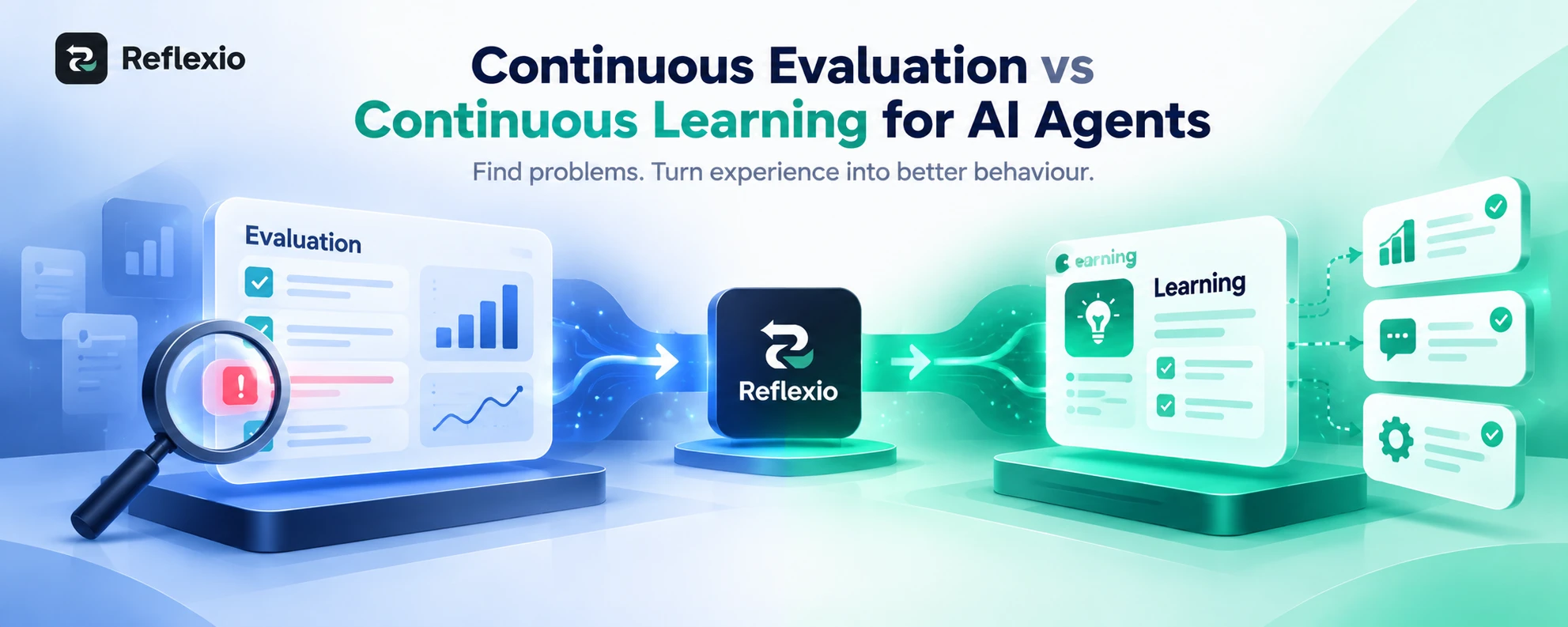
This article provides a step-by-step guide on measuring AI agent behavior improvement, covering baseline establishment, task-specific metrics, and evaluating the impact of changes on agent performance.
What happened
The article outlines a structured approach to measuring improvements in AI agent behavior, emphasizing the importance of defining success criteria, establishing baselines, selecting appropriate metrics, and evaluating the impact of changes over time.
Why it matters
Measuring AI agent behavior improvement is essential for ensuring that changes lead to meaningful, sustainable gains without introducing new issues. This helps teams optimize agent performance, reduce costs, and improve reliability in real-world applications.
- Define clear success criteria for AI agents before measuring improvement.
- Establish a baseline to compare performance before and after changes.
- Select and track relevant metrics to evaluate agent effectiveness.
- Regularly test and inspect agent behavior to ensure lasting improvements.
- Use platforms like Reflexio to turn real-world interactions into measurable learning.
The bigger picture
The article highlights the importance of systematic evaluation in AI agent development, enabling teams to make data-driven decisions, avoid regressions, and ensure that improvements translate into real-world benefits.
The article provides a comprehensive guide for measuring AI agent behavior improvement, emphasizing the need for structured evaluation, meaningful metrics, and continuous learning to enhance agent performance and reliability.
Technical details
- Task success rate
- Retry rate
- Planning iterations and tool calls
- Cost and time per successful task
- Error and regression rate
FAQ
What is the first step in measuring AI agent behavior improvement?
The first step is to define what better behavior means for the AI agent, based on its specific job and goals.
Why is establishing a baseline important when measuring AI agent improvements?
A baseline provides a reference point to compare the agent's performance before and after changes, ensuring that improvements are measurable and meaningful.
What metrics are recommended for evaluating AI agent performance?
Recommended metrics include task success rate, retry rate, planning iterations, cost per successful task, and error/regression rate.
How does Reflexio contribute to AI agent improvement?
Reflexio helps AI agents learn from real interactions, corrections, and successful outcomes, enabling them to reuse useful learnings and improve behavior over time.
What should teams consider when deciding to keep or roll back an improvement?
Teams should evaluate whether important outcomes improve, costs remain acceptable, and existing capabilities still work, while also checking for any new issues introduced by the change.
This summary and analysis were generated with AI from the original article and may contain errors. Read the original for the full story.
Read the full story
Originally published by Reflexio Blog on Oct 13, 2026.
Comments
Sign in to join the discussion.