
It’s not ‘AI,’ and it’s not ‘superintelligence.’ So, what is it?
When President Donald Trump addressed the United Nations in late September, he said the word “artificial” in “artificial intelligence” made the technology sound fake.
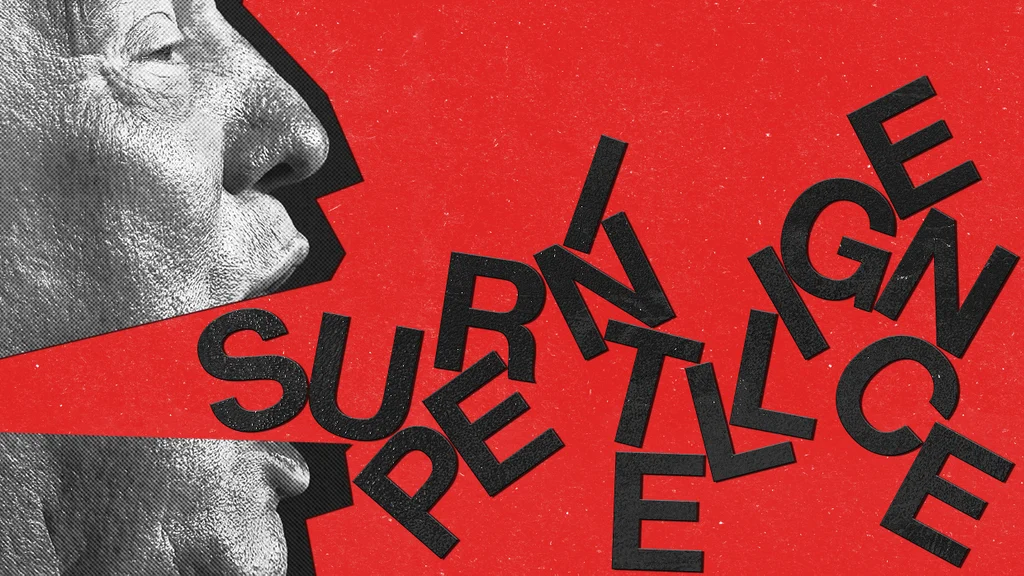
The article examines the debate over terminology in AI, focusing on President Trump's attempt to rebrand 'artificial intelligence' as 'superintelligence' and the broader implications for public perception and industry communication.
What happened
The article details President Trump's executive order to replace 'artificial intelligence' with 'superintelligence' in government communications, followed by reactions from tech leaders, researchers, and the public. It explores the historical context of AI terminology and ongoing debates about its accuracy and impact on public understanding.
Why it matters
Terminology shapes public perception and policy discussions around AI. Accurate naming is critical for managing expectations, ensuring ethical deployment, and maintaining trust in AI systems as they become more integrated into society.
- AI terminology significantly influences public understanding and policy decisions
- The term 'artificial intelligence' has historical roots but remains controversial
- Alternative naming proposals aim to clarify technical capabilities and reduce misconceptions
- Public perception surveys show skepticism about rebranding efforts
- Clear communication is essential as AI systems become more advanced
The bigger picture
The terminology debate highlights challenges in communicating complex AI capabilities to non-expert audiences. Misleading labels could affect public trust, regulatory approaches, and the development of AI ethics frameworks.
The article underscores the importance of precise terminology in AI discourse, highlighting the tension between technical accuracy, public perception, and political influence in shaping how AI is understood and regulated.
Technical details
- Superintelligence: A concept referring to AI systems that systematically outperform humans in cognitive tasks
- Cognitive computing agent (CCA): A proposed alternative term for AI systems
- Machine learning terminology: The debate over whether 'intelligence' accurately describes algorithmic processes
FAQ
Why did Trump want to replace 'artificial intelligence' with 'superintelligence'?
Trump claimed the term 'artificial' made AI sound fake, and he believed 'superintelligence' better reflected the technology's capabilities. However, the article notes this rebranding was politically motivated and not widely supported by experts.
What are the main arguments against using 'artificial intelligence' as a term?
Critics argue the term is misleading because it implies machine 'intelligence' similar to human cognition. Experts like Meredith Broussard suggest it creates false expectations about AI's capabilities and human-like understanding.
What alternative terms have been proposed for AI?
Proposals include 'calculating machine' (to emphasize computational processes) and 'cognitive computing agent' (to describe system capabilities without human-like connotations). These alternatives aim to create more accurate public understanding.
How did the public respond to the proposed rebranding?
A survey found 53% of Americans preferred 'AI' over 'superintelligence,' and 53% believed people would be uncomfortable with the new term. Only 11% thought the rebranding would have a positive effect.
What is the significance of terminology in AI development?
Accurate terminology affects how stakeholders understand AI capabilities, influences regulatory approaches, and shapes public trust. Poorly chosen terms can create unrealistic expectations or obscure technical limitations.
This summary and analysis were generated with AI from the original article and may contain errors. Read the original for the full story.
Read the full story
Originally published by Fast Company AI on Oct 10, 2026.
Comments
Sign in to join the discussion.