
Laplace Intelligence red-teams robots and self-driving cars before they hit the real world
University of Michigan spinout Laplace Intelligence uses AI agents and interactive simulation to stress-test robots and self-driving vehicles before deployment. The profitable startup is competing in Startup Battlefield at TechCrunch Disrupt, October 13-15 in San Francisco.
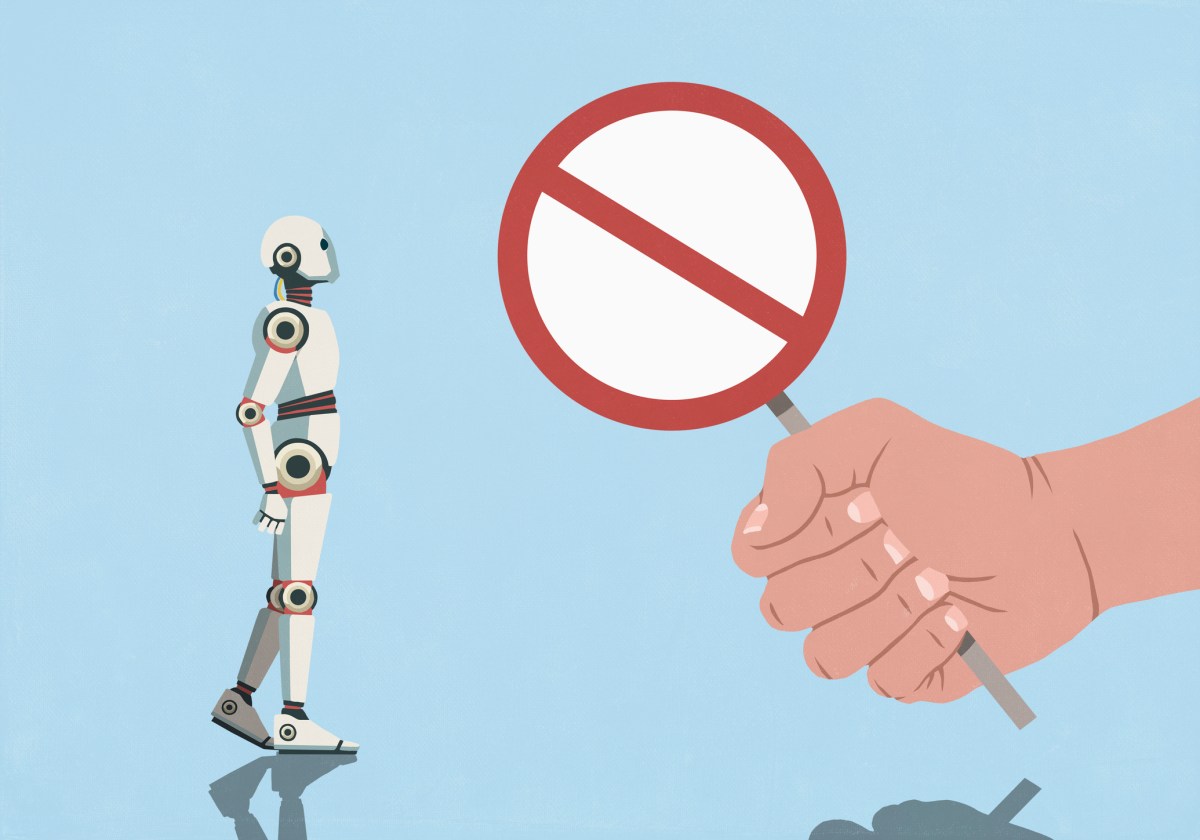
Laplace Intelligence develops AI-driven simulation tools to stress-test robots and self-driving vehicles before real-world deployment, aiming to improve safety and reliability through automated red-teaming.
What happened
The article describes Laplace Intelligence's development of AI-powered simulation tools to test physical AI systems like robots and self-driving cars. The startup uses interactive simulations grounded in real-world data to stress-test these systems, aiming to uncover vulnerabilities before deployment. It highlights their academic origins, technical methodology, and commercial partnerships with companies like Isuzu and Nvidia.
Why it matters
Ensuring the safety of physical AI systems is critical for industries like autonomous driving and robotics. Laplace's approach addresses gaps in traditional testing methods by automating the discovery of rare, high-risk scenarios, which could reduce real-world failures and build trust with regulators and insurers.
- Simulation-based testing is essential for ensuring the safety of physical AI systems.
- Automated edge case generation improves upon traditional methods of training autonomous systems.
- Collaborations with industry partners like Nvidia and Isuzu highlight the practical demand for AI safety solutions.
The bigger picture
Laplace's technology could improve the safety and reliability of AI systems in critical applications, potentially reducing accidents and accelerating regulatory approval for autonomous vehicles and robotics.
Laplace Intelligence's AI-driven simulation tools aim to address critical safety challenges in autonomous systems by proactively identifying vulnerabilities through interactive, real-world-based testing.
Technical details
- High-fidelity simulations using Nvidia's Cosmos platform, combined with real-world map data and Street View imagery.
- AI agents that generate edge cases from news, police reports, and traffic data to challenge autonomous systems.
- Interactive environments where simulated actors (e.g., vehicles, pedestrians) react dynamically to AI decisions.
FAQ
How does Laplace's simulation differ from traditional testing methods?
Laplace uses AI agents to generate dynamic, real-world scenarios and edge cases, whereas traditional methods rely on pre-recorded data or human-designed tests.
What industries does Laplace target?
The startup focuses on autonomous vehicles, robotics, and smart city infrastructure, with clients including trucking companies and automotive manufacturers.
How does Laplace ensure simulation accuracy?
It combines real-world data (e.g., Google Street View, traffic feeds) with high-fidelity modeling to recreate environments like highways and pedestrian crossings at scale.
This summary and analysis were generated with AI from the original article and may contain errors. Read the original for the full story.
Read the full story
Originally published by TechCrunch on Oct 13, 2026.
Comments
Sign in to join the discussion.