
Microsoft is using wetlands and native gardens to 'camouflage' 20-plus data center sites by blending them into nature
Microsoft is bringing nature-inspired landscaping to more than 20 data center sites as critics question its motives.
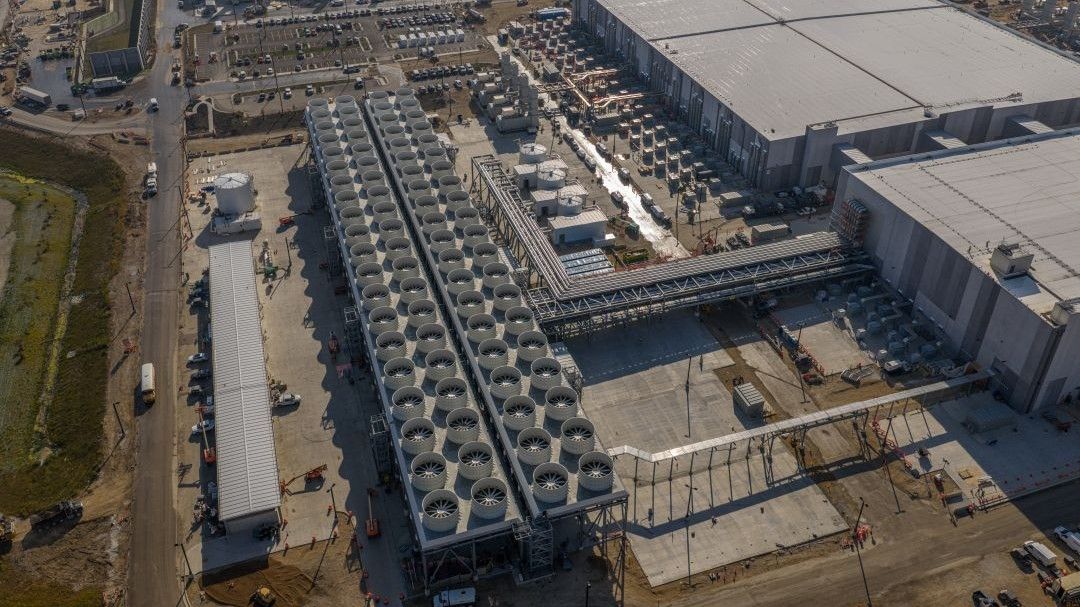
Microsoft is implementing a 'biomimicry' program to blend its data centers into natural landscapes by restoring wetlands and native gardens at over 20 sites, aiming to address environmental concerns and community backlash.
What happened
Microsoft is implementing a 'biomimicry' program to blend its data centers into natural landscapes by restoring wetlands and native gardens at over 20 sites. The initiative aims to address environmental concerns and community backlash. Critics, however, question the company's motives, especially in light of recent energy deals with Chevron. Microsoft's Ecosystem Intelligence tool, powered by Azure, helps assess and customize ecological restoration. The Mount Pleasant site in Wisconsin features prairie and forest restoration with stormwater management. Local officials and environmental groups raise concerns about tree removal and pollution from gas plants.
Why it matters
The initiative matters to AI developers and environmental professionals as it represents a significant effort to mitigate the environmental impact of data centers, which are critical for AI operations. It also highlights the growing tension between technological advancement and ecological responsibility, influencing public perception and regulatory scrutiny.
- Microsoft is using ecological restoration to blend data centers into natural landscapes.
- Critics question the environmental impact of data centers and their energy sources.
- The Ecosystem Intelligence tool helps customize restoration efforts based on local ecosystems.
- Local communities and environmental groups are concerned about the long-term effects of data center projects.
- Microsoft aims to be a 'good neighbor' by addressing community concerns and environmental impacts.
The bigger picture
The initiative could set a new standard for sustainable data center development, influencing how companies approach environmental responsibility. It may also affect regulatory policies and public perception of data center projects.
Microsoft's biomimicry program represents a significant effort to integrate data centers into natural landscapes, addressing environmental and community concerns. However, the initiative faces scrutiny over its effectiveness and alignment with broader sustainability goals.
Technical details
- Ecosystem Intelligence tool runs on Azure and scores site features like water quality, biodiversity, and noise abatement.
- Stormwater ponds with forebays are used to retain sediment at the Mount Pleasant site.
- Microsoft's data centers are being integrated with local ecosystems through plant buffers and habitat restoration.
FAQ
What is Microsoft's 'biomimicry' program?
Microsoft's 'biomimicry' program is an initiative to blend data centers into natural landscapes by restoring wetlands and native gardens at over 20 sites.
How does Microsoft assess ecological restoration for its data centers?
Microsoft uses a tool called Ecosystem Intelligence, which runs on Azure, to score site features like water quality, biodiversity, and noise abatement.
What are the criticisms of Microsoft's approach?
Critics question Microsoft's motives, especially in light of recent energy deals with Chevron, and raise concerns about the environmental impact of data centers and their energy sources.
What is the role of local communities in this initiative?
Local communities and environmental groups are concerned about the long-term effects of data center projects, including tree removal and pollution from gas plants.
What are Microsoft's sustainability goals?
Microsoft aims to be carbon negative and water positive by 2030, with a focus on sustainable data center development and environmental responsibility.
This summary and analysis were generated with AI from the original article and may contain errors. Read the original for the full story.
Read the full story
Originally published by Tom's Hardware AI on Oct 4, 2026.
Comments
Sign in to join the discussion.