
NetApp and Nvidia rethink storage for AI factories
Storage architecture is being rewritten for artificial intelligence factories. Traditional enterprise storage was designed around workloads that scaled in relatively predictable ways.
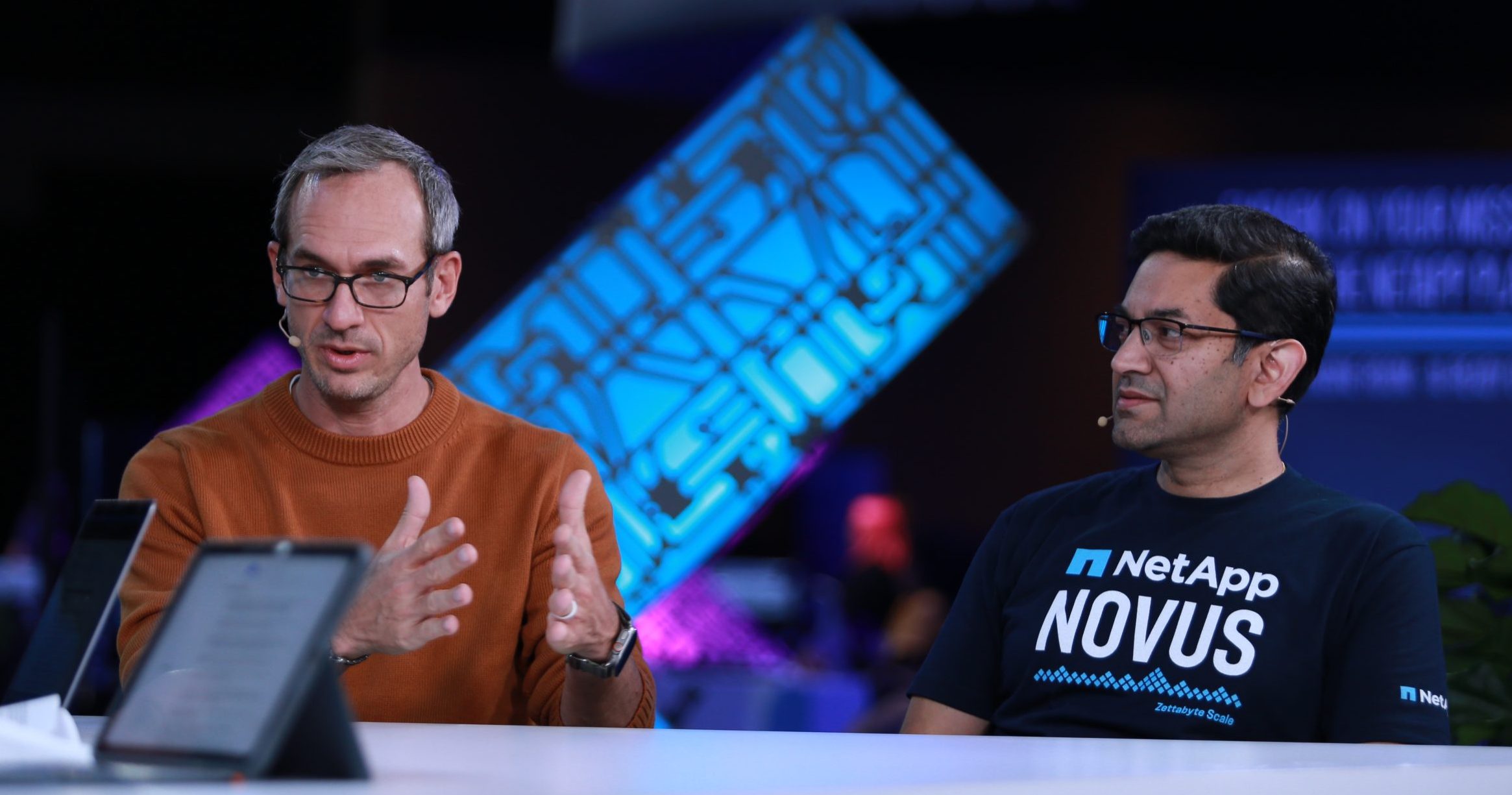
NetApp and Nvidia are rethinking storage architecture for AI factories, addressing the unique demands of AI workloads that require efficient handling of both data and metadata.
What happened
NetApp and Nvidia are redefining storage architecture for AI factories by separating data and metadata functions to allow independent scaling. This approach addresses the challenges of AI workloads, which involve heavy data movement and transactional metadata activity. The collaboration includes co-engineering around AI infrastructure, with a focus on improving efficiency and resource utilization.
Why it matters
The shift in storage architecture is critical for AI developers and enterprises as it ensures efficient GPU utilization and reduces costs. It also supports the growing demand for scalable and flexible AI infrastructure, which is essential for handling complex and concurrent workloads like AI agents.
- AI workloads demand a new storage architecture that separates data and metadata for independent scaling.
- Efficient resource management is crucial to prevent GPU underutilization and reduce costs.
- APIs and SDKs are essential for simplifying storage interaction for AI teams.
- The new architecture supports scalability and flexibility without requiring system redesigns.
The bigger picture
The new storage architecture improves efficiency and resource utilization, reduces GPU underutilization, and supports the scalability of AI workloads. It also enables AI teams to interact with storage systems without requiring deep storage expertise, streamlining the development and deployment of AI applications.
NetApp and Nvidia are redefining storage architecture for AI factories to meet the unique demands of AI workloads. This shift ensures efficient resource utilization, supports scalability, and enables AI teams to interact with storage systems more effectively.
Technical details
- Novus architecture by NetApp separates data and metadata functions for independent scaling.
- AI workloads require handling both throughput and concurrency, with metadata operations often being small and transactional.
- APIs, SDKs, and agent-friendly controls are being developed to simplify storage interaction for AI teams.
- The new control plane allows consumption of Novus through APIs, enabling more efficient and flexible AI infrastructure.
FAQ
Why is traditional storage architecture inadequate for AI workloads?
Traditional storage systems were designed for predictable workloads and cannot efficiently handle the high data movement and transactional metadata activity typical of AI workloads.
What is the Novus architecture, and how does it address AI storage challenges?
The Novus architecture by NetApp separates data and metadata functions, allowing each to scale independently. This prevents resource contention and ensures efficient GPU utilization.
How do AI agents affect storage architecture?
AI agents introduce high concurrency and temporary, narrowly scoped permissions, increasing metadata operations and requiring storage systems to handle concurrent access efficiently.
What role do APIs and SDKs play in the new storage architecture?
APIs and SDKs simplify storage interaction for AI teams, allowing them to provision and consume infrastructure without becoming storage specialists.
What is the significance of the new control plane in the Novus architecture?
The new control plane enables API-driven and agent-friendly consumption of Novus, supporting efficient and flexible AI infrastructure for production environments.
This summary and analysis were generated with AI from the original article and may contain errors. Read the original for the full story.
Read the full story
Originally published by SiliconANGLE on Oct 1, 2026.
Comments
Sign in to join the discussion.