
OpenAI says it found a 'hidden' recording device planted in its office
OpenAI said a "sophisticated recording device" was found in one of its offices and that the company's own models identified the person who planted it.
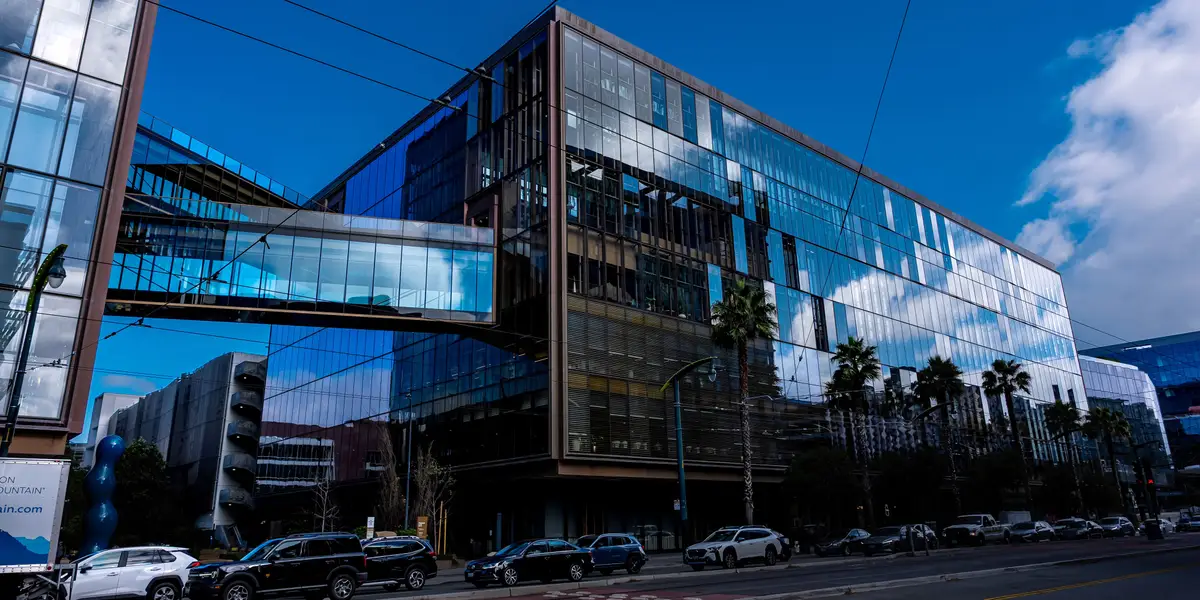
OpenAI reported discovering a hidden recording device in its office, which it claims was planted by an employee. The company used its own AI models to identify the individual and assist in the investigation.
What happened
OpenAI discovered a hidden recording device in an executive conference room, which was analyzed using its AI models to identify the employee who planted it. The device, concealed in toilet paper, included a camera, microphone, and storage. The employee, Abdulrahman Alfozan, was arrested for intercepting communications and allegedly used AI tools to plan the device. OpenAI stated no sensitive data was accessed, but the employee intended to plant additional devices.
Why it matters
The incident highlights the use of AI in detecting security threats within tech companies and underscores the risks of insider threats. It also demonstrates how AI tools can be leveraged for both malicious and protective purposes in corporate environments.
- AI can be a critical tool for identifying and mitigating security threats within organizations.
- Insider threats remain a significant risk, even in AI-focused companies.
- The incident underscores the need for robust security protocols when handling sensitive information.
The bigger picture
The case illustrates the growing intersection of AI and corporate security, potentially influencing how organizations deploy AI for threat detection. It also raises concerns about the misuse of AI tools for malicious activities.
OpenAI's use of AI to identify an employee who planted a hidden recording device demonstrates the dual-use nature of AI technologies, emphasizing both their potential for security and the risks of misuse.
Technical details
- The device included a 'thumb-sized development board' with a detachable camera sensor, digital microphone, and microSD storage.
- OpenAI's AI models analyzed forensic images of the device's storage and helped trace its origin.
- The employee allegedly used a productivity tool to inquire about OpenAI's building addresses and a chatbot account linked to his spouse to research device construction.
FAQ
What was the recording device's configuration?
The device included a thumb-sized development board with a detachable camera sensor, digital microphone, and microSD storage.
How did OpenAI identify the employee?
OpenAI used its AI models to analyze the device and trace its origin, leading to the identification of Abdulrahman Alfozan.
What were the alleged activities of the employee?
Alfozan allegedly used AI tools to research building layouts and device construction, and he was charged with intercepting oral communications.
This summary and analysis were generated with AI from the original article and may contain errors. Read the original for the full story.
Read the full story
Originally published by Business Insider - AI on Oct 14, 2026.
Comments
Sign in to join the discussion.