
Starcloud’s AI computing payload will get a ride to lunar orbit on Firefly’s space vehicle
Prototype data center scheduled to make the trip to the moon to demonstrate Starcloud's in-space processing capabilities in 2028. Read More
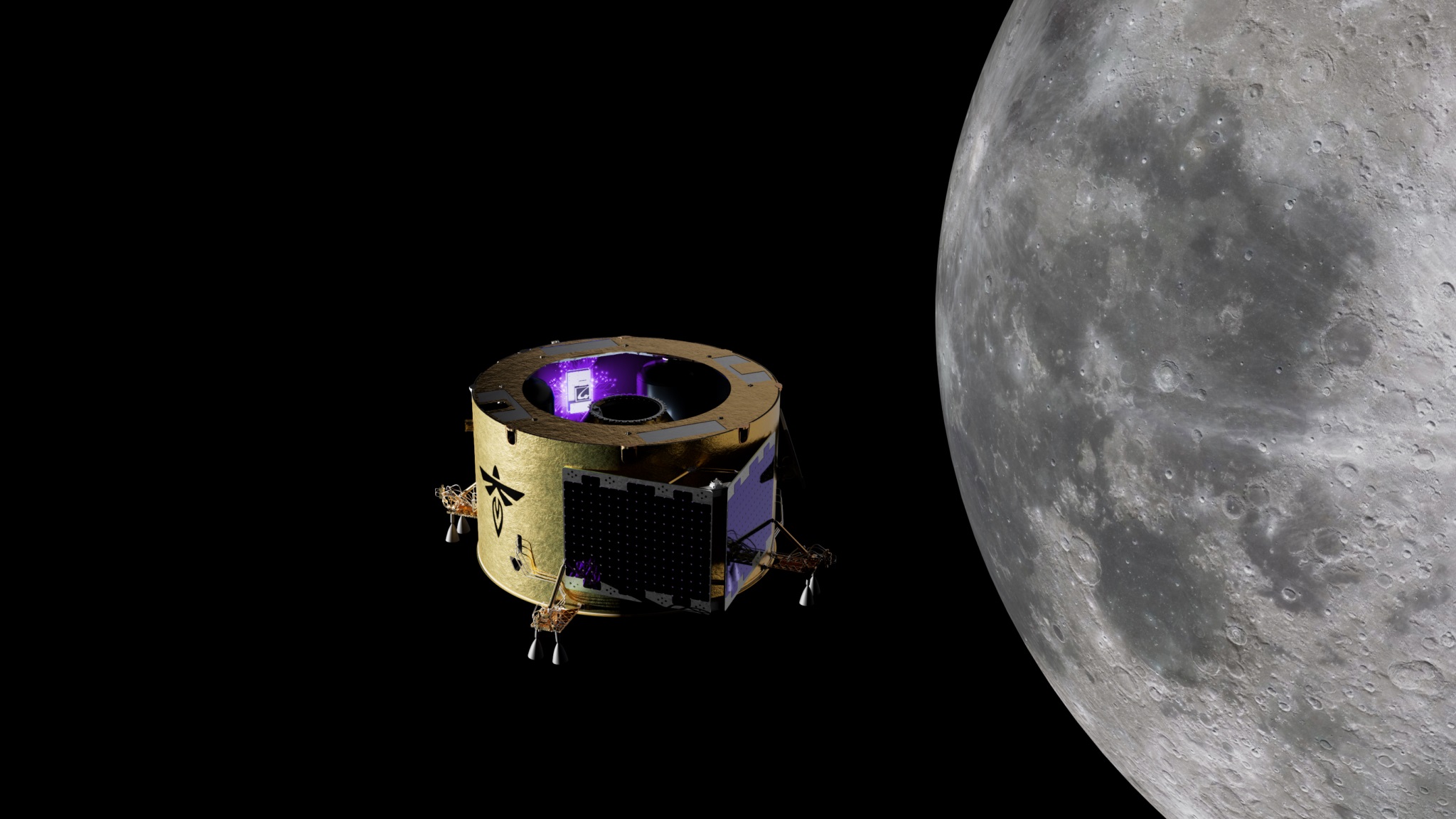
Starcloud is set to send its AI data-processing hardware to lunar orbit on a Firefly Aerospace spacecraft, marking a significant step in the development of in-space computing capabilities.
What happened
Starcloud, a Seattle-based company, has partnered with Firefly Aerospace to send its AI data-processing hardware, SC-1L, to lunar orbit on a NASA-supported mission. The payload will be launched on Firefly's Elytra vehicle in 2028, demonstrating in-space AI processing capabilities. The mission will also support the Blue Ghost lander's operations by relaying data from the Solux vision system.
Why it matters
This mission represents a major advancement in deploying AI technologies beyond Earth, enabling real-time data processing in space environments. It supports the development of sustainable lunar infrastructure and could pave the way for future human and robotic exploration.
- Starcloud is advancing AI computing in space with its SC-1L payload.
- The mission will demonstrate AI processing capabilities in lunar orbit.
- Collaboration between Starcloud and Firefly is critical for establishing space infrastructure.
- The use of AI in space environments opens new possibilities for exploration and data analysis.
The bigger picture
The mission could establish a foundation for long-term lunar operations and data processing, enhancing the capabilities of future space missions and enabling more efficient exploration and resource management.
Starcloud's mission to send AI data-processing hardware to lunar orbit marks a significant milestone in the development of in-space computing, with potential implications for future space exploration and infrastructure.
Technical details
- SC-1L will use high-performance AI computing in lunar orbit.
- Solux vision system provides autonomous navigation and tracking in space.
- Firefly's Elytra orbiter will operate in lunar orbit for at least five years.
- Nvidia's Jetson module will process data for Firefly's Ocula moon imaging service.
FAQ
What is the purpose of Starcloud's SC-1L payload?
SC-1L will process data from Firefly's Solux vision system and transmit results back to Earth, demonstrating AI computing capabilities in lunar orbit.
When is the SC-1L payload scheduled to launch?
The mission is scheduled for launch no earlier than 2028.
What technology will be used for AI processing in lunar orbit?
Starcloud's SC-1L will use high-performance AI computing, similar to its previous success with the Starcloud-1 satellite.
What is the role of the Elytra orbiter in the mission?
The Elytra orbiter will serve as a data relay for the Blue Ghost lander and operate in lunar orbit for at least five years.
What is the significance of this mission for future space exploration?
This mission represents a major step toward establishing sustainable lunar infrastructure and enabling efficient data processing for future exploration and resource management.
This summary and analysis were generated with AI from the original article and may contain errors. Read the original for the full story.
Read the full story
Originally published by GeekWire on Oct 1, 2026.
Comments
Sign in to join the discussion.