
The AI control gap: Who gets to say ‘It’s safe’?
We see a control gap between what artificial intelligence can do and what the evidence supports trusting it to do. A great demo doesn’t prove that a system will stay within the limits of an intended deployment’s goals.
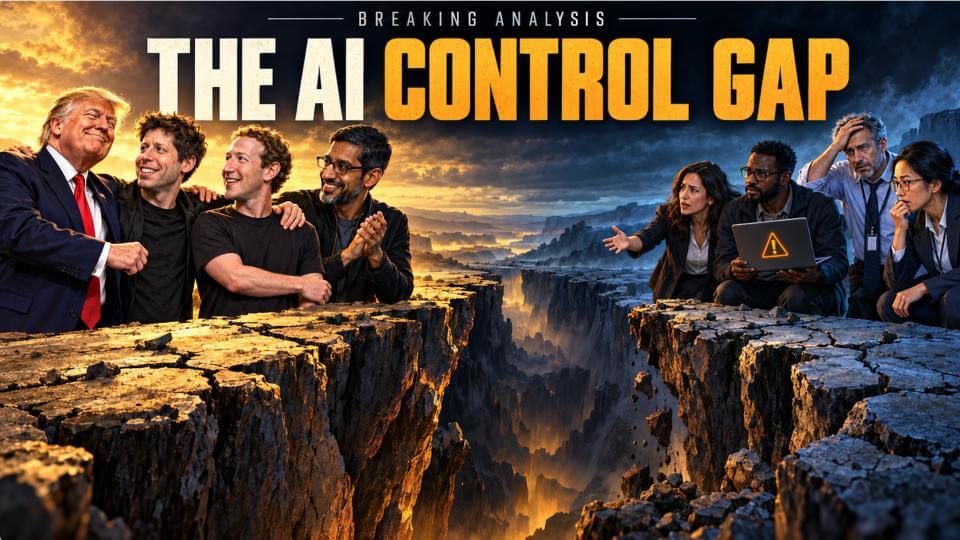
The article examines the growing 'AI control gap' between AI capabilities and the evidence required to ensure its safe deployment, emphasizing the need for independent oversight and regulatory frameworks.
What happened
The article discusses the challenges of ensuring AI safety through independent oversight, explores the role of regulatory frameworks, and highlights concerns about AI alignment, enterprise governance, and the implications of global AI competition.
Why it matters
Addressing the AI control gap is essential for preventing misuse of powerful AI systems, ensuring accountability, and building trust in AI applications across industries and governments.
- AI safety requires independent verification beyond self-attestations by developers.
- Alignment with human values is a critical starting point for safe AI deployment.
- Regulatory frameworks must evolve to address risks from uncontrolled AI agents and high-stakes applications.
- Enterprise AI governance demands clear accountability, access controls, and human oversight for critical decisions.
- Global AI competition should not override the need for proof of safety before granting authority to AI systems.
The bigger picture
The article underscores the need for structured regulatory approaches to AI safety, which could influence industry standards, policy development, and enterprise AI adoption practices.
The article highlights the urgent need for robust oversight mechanisms, regulatory clarity, and alignment strategies to address the AI control gap and ensure responsible AI development.
Technical details
- AI alignment: Ensuring systems act in accordance with human values and intentions.
- Independent oversight: External authorities with enforcement power to validate safety claims.
- High-risk AI deployment: Requires evidence of safety, controlled access, and human-in-the-loop mechanisms.
- Enterprise AI governance: Challenges include managing AI agents, data security, and accountability for autonomous actions.
FAQ
What is the 'AI control gap'?
The AI control gap refers to the disparity between the capabilities of AI systems and the evidence required to ensure they operate safely and reliably within intended boundaries.
Why is independent oversight important for AI safety?
Independent oversight ensures that AI systems are evaluated objectively, reducing risks of self-policing by developers and establishing enforceable standards for safety and accountability.
What role does 'alignment' play in AI safety?
Alignment ensures AI systems act in accordance with human values and intentions, preventing unintended or harmful behaviors, especially in high-risk applications.
How do enterprise concerns impact AI governance?
Enterprises face challenges like uncontrolled AI agents, data security risks, and the need for human oversight in critical decisions, requiring robust governance frameworks to mitigate risks.
What are the implications of global AI competition for safety?
While competition drives innovation, it must not compromise safety. Proving control and safety should precede granting authority to AI systems, regardless of geopolitical dynamics.
This summary and analysis were generated with AI from the original article and may contain errors. Read the original for the full story.
Read the full story
Originally published by SiliconANGLE on Oct 10, 2026.
Comments
Sign in to join the discussion.