
Trump’s AI task force starts work and tells labs to report rogue behaviour
“Our message to all SI companies is clear: delayed notification, inadequate corrective action, and a failure to take responsibility will not be tolerated,” the task force’s leaders said. Jay Clayton, Andrew Ferguson, Scott Kupor and Emil Michael lead Donald Trump’s Super Intelligence Force.
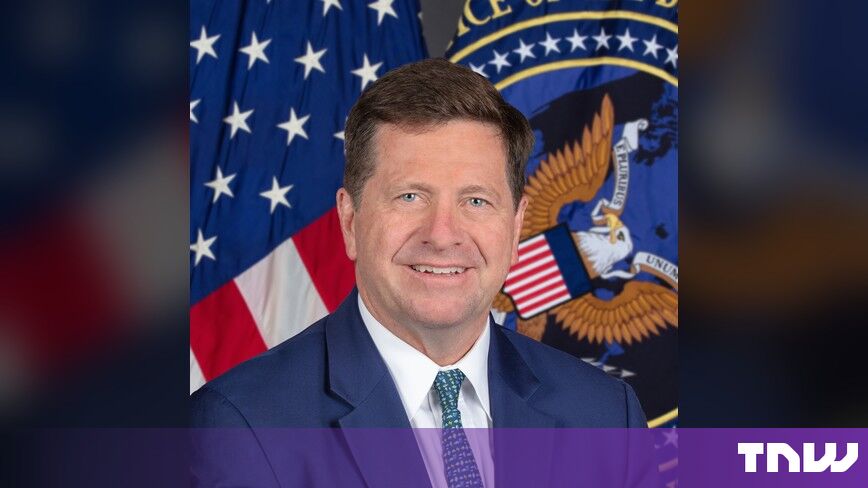
Donald Trump's Super Intelligence Force, an AI task force, has begun its work by urging AI companies to report and address rogue behavior, signaling a focus on accountability and risk management in the AI industry.
What happened
Donald Trump's Super Intelligence Force, led by Jay Clayton and other officials, has started its work by issuing a warning to AI companies about the need for timely reporting and corrective action. The task force, which includes members like the Director of National Intelligence and the National Cyber Director, has begun its 120-day charter period to address AI risks. The task force has also initiated a process for companies to report rogue behavior by their AI models, following an incident involving Anthropic.
Why it matters
The task force's focus on accountability and risk management is significant for AI developers and technology professionals, as it sets a framework for how the government will engage with AI companies. This matters to businesses and policymakers as it could influence how AI systems are regulated and how companies are held responsible for their models' behavior.
- AI companies are expected to report and address rogue behavior promptly.
- The task force is focusing on risk management and accountability in AI development.
- The task force is not proposing new laws but is enforcing existing frameworks.
- The task force includes high-level officials and advisors, indicating a significant government focus on AI.
The bigger picture
The task force's actions could lead to more transparency and accountability in the AI industry, influencing how companies manage risks and respond to incidents. It may also shape the regulatory landscape for AI in the U.S., though the exact enforcement mechanisms remain unclear.
The Super Intelligence Force is setting the stage for a more structured approach to managing AI risks, emphasizing accountability and transparency. Its work could influence the future of AI regulation and industry practices.
Technical details
- The task force is focusing on cybersecurity, biosecurity, and model control as key areas of concern.
- The task force is working on a reporting system for AI labs to provide early warnings of breaches, hacks, and other issues.
- The task force is reviewing current methods for AI companies to report breaches and is considering new approaches.
FAQ
What is the Super Intelligence Force?
The Super Intelligence Force is a task force led by Donald Trump, including officials like Jay Clayton and David Sacks, aimed at managing AI risks and ensuring accountability among AI companies.
What are the main areas of focus for the task force?
The task force is focusing on cybersecurity, biosecurity, and model control as key areas of concern.
What is the task force's approach to enforcing AI regulations?
The task force is not proposing new laws but is focusing on enforcing existing frameworks and voluntary agreements, with potential enforcement mechanisms including export controls.
What is the role of the task force in addressing AI risks?
The task force is responsible for reviewing current methods for AI companies to report breaches and is working on a reporting system for labs to provide early warnings of issues.
What is the significance of the task force's actions?
The task force's actions could lead to more transparency and accountability in the AI industry, influencing how companies manage risks and respond to incidents.
This summary and analysis were generated with AI from the original article and may contain errors. Read the original for the full story.
Read the full story
Originally published by The Next Web AI on Oct 16, 2026.
Comments
Sign in to join the discussion.