

Missed a lecture? This AI agent at Bar-Ilan University helps students catch up
The post Missed a lecture? This AI agent at Bar-Ilan University helps students catch up appeared first on Source.
Microsoft AI Blog5 min read
Stay updated with the latest developments in Artificial Intelligence
The post Missed a lecture? This AI agent at Bar-Ilan University helps students catch up appeared first on Source.


The research says we have more free time than people did a hundred years ago. Your gut says that you’re running from the moment your alarm goes off until your head hits the pillow. What gives?
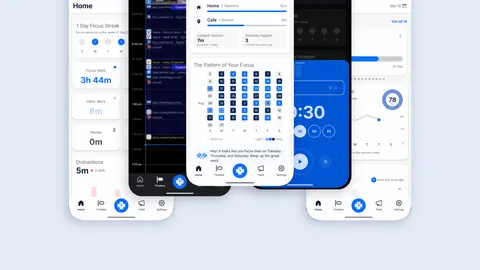
The premise behind RescueTime has always been pretty simple: You can make better decisions about your time when you know exactly where it’s going. But most people looking at their RescueTime reports are only looking at half a day: the laptop half.
About six years ago, we experienced a fundamental shift in how and where work got done. A huge number of roles transitioned to be completely remote or hybrid, but the way many companies evaluate performance is still built around an in-office workforce.
When a new employee starts at Netflix, they spend the full first quarter of their new role being onboarded. The result is an impressive 11% annual turnover rate, less than half the national average of 23.4%.

Most managers worry about their lowest performers becoming a drag on the team. But some of the biggest productivity bottlenecks start at the other end of the spectrum. High performers naturally attract work.
The average knowledge worker uses four times the number of tools they used in the early 2000s, but the software surge hasn’t translated to an increase in productivity or employee satisfaction. In fact, 96% of employees are dissatisfied with the tools they have been given to manage their work.
In 1930, John Maynard Keynes famously predicted that by 2030, people would only be working 15 hours a week. Decades later, office computers promised to eliminate administrative work. Email was supposed to speed up communication.
We’re all familiar with the experience of working for a micromanager. It’s the director who constantly checks on you via your employee tracking software or the owner who feels the need to sit in on every meeting you schedule with a client.
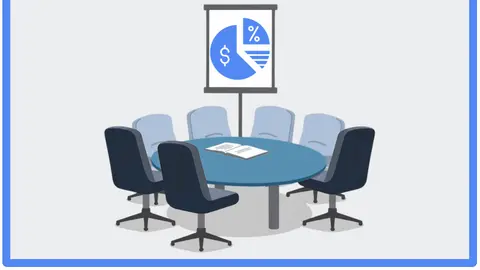
A few years ago, Shopify rolled out a tool that calculated the cost of every meeting based on the length and specific attendees. Include three employees in a 30-minute meeting? The average cost could range anywhere from $700 to $1,600.

The concept of a ‘second shift’ is nothing new. After working 9-5 (or your standard version of a shift), we come home for part two of the day—making dinner, walking the dogs, packing lunches for tomorrow, and all the other adult duties that keep life running somewhat smoothly.

At the end of 2025, 51% of remote-capable U.S. workers were working in a hybrid role. At this point, more office employees work in a hybrid job than in fully in-person or fully remote roles. But just because hybrid work is common, that doesn’t mean it’s easy.

Not terribly long ago, hiring a freelancer meant getting some short-term help. Freelancers were used to help cover a temporary spike in workload, a one-off project, or a specific skill gap your full-time team couldn’t fill.

When you’re feeling overwhelmed, productivity is usually the first thing to go. It’s not (usually) because you don’t care, but because it feels like too much. Trying to optimize your time or follow a system when you’re barely keeping your head above water sounds ridiculous.
When I started typing this article, a text message popped up in the right-hand corner of my screen. It wasn’t spam—it was something I needed to respond to, so I opened up the Messages app to respond. Once I did, I noticed the red dot telling me I had two other unread texts.
Do you ever look at your day’s schedule and immediately feel anxious? Sure, it sounds less than ideal, but it’s the reality for a lot of high performers who feel required to map out their day down every 60-second increment, or those of us who consistently put more on our to-do list than is humanly…
If you’ve ever tried the time blocking method and then abandoned it by Wednesday, you’re not alone. In theory, time blocking sounds perfect. Assign a job to every hour. Protect deep work. Eliminate distractions.
Today’s hustle culture has turned burnout into something we either brag about or shamefully hide. Instagram is packed with videos of employees clocking out at 8 pm only to go home and wrap up their day. We joke about living on caffeine and a constant influx of notifications.
If everything at work feels urgent, it’s not necessarily that your workload is out of control. It could be that you haven’t yet developed a system to decide what’s a priority and what can wait.
Showing 18 of 20 stories
Load more storiesGet the top AI news and tools straight to your inbox every week.
Weekly · AI news from RescueTime Blog
Join 15,000+ AI enthusiasts