

v0.7.0
LLM inference in C/C++. Contribute to ggml-org/llama.cpp development by creating an account on GitHub.
llama.cpp11 min read
Stay updated with the latest developments in Artificial Intelligence
LLM inference in C/C++. Contribute to ggml-org/llama.cpp development by creating an account on GitHub.


What AI UGC is, what it costs vs human creators in 2026, the tools that make it, and how lip sync turns one UGC ad into dozens of variants and languages.
The best Lipsync Studio alternatives compared on lip sync quality, credit pricing, languages, and free tiers. How sync. labs, HeyGen, and Wav2Lip stack up.
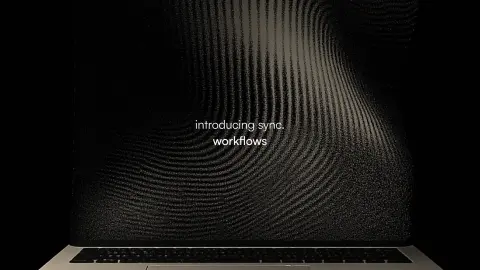
The sync. dashboard is rebuilt around what you want to create. Lip sync a clip, translate and dub it into a new language, turn an image into a talking video, or take full control in the timeline editor.

Video localization adapts a video's language, voice, and on-screen text for a new market. Here is what it involves, the methods, and how AI speeds it up.
What MuseTalk is, how Tencent's real-time model re-syncs the mouth in existing video, what changed in v1.5, where it falls short, and what to use instead.

Dubbing replaces a video's original dialogue with a new voice track in another language. Here is what dubbing is, the main types, and how AI dubbing works.
The best lipsync.video alternatives compared on lip sync quality, credit pricing, languages, and free tiers. How sync. labs, Wav2Lip, and Vozo stack up.
What LatentSync is, how ByteDance's latent diffusion model lip syncs existing video, what changed in 1.5 and 1.6, where it falls short, and what to use instead.

Connect the sync. labs plugin in ChatGPT to lip sync videos, dub them into other languages, clone voices, generate speech, and make images talk, all from a prompt.
AI lip sync gives itself away in a few predictable ways: floating teeth, broken side profiles, drifting timing, and a visible seam. Here's how to spot each one, and what separates production-grade lip sync from a gimmick.
What SadTalker is, how it turns one photo and an audio clip into a talking head video, where it shows its age in 2026, and what to use instead.
The best Vozo alternatives compared on lip sync quality, what they work on, language breadth, and pricing. How sync. labs, Rask AI, and HeyGen stack up.
How Kling's built-in lip sync works, why creators sync Kling videos outside the app, and how sync-3 lip syncs and dubs any AI-generated clip in 95+ languages.
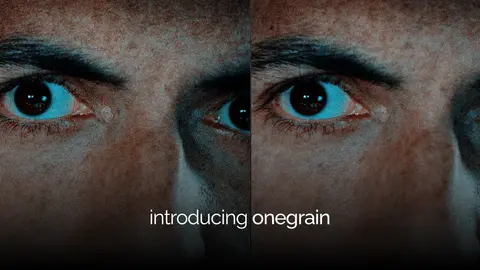
Film grain gives footage a cinematic look but breaks VFX work. Here's why degraining and regraining are so hard, and an early look at onegrain.
LipDub AI is MARZ's production-grade lip sync and dubbing platform. What it does, its languages and pricing, and how sync. labs compares as an alternative.

What YouTube auto dubbing is, how it works in 2026, which languages it covers, and the lip sync gap that still makes auto-dubbed videos look dubbed.
What lip sync means, how AI lip sync regenerates a speaker's mouth to match new audio, what it's used for, and how to try it on your own video.

What Wav2Lip is, how its frozen lip-sync expert works, why it looks dated in 2026, and how the team behind it went on to build sync. labs and sync-3.
Showing 18 of 30 stories
Load more storiesGet the top AI news and tools straight to your inbox every week.
Weekly · AI news from sync-3 Blog
Join 15,000+ AI enthusiasts