Know a great AI tool or AI news source? Submit it to AiByts

CodingForBeginners

8 stories

Stories

  • How NAT Lets Multiple Devices Share One IP

    Under the older IPv4 standard, an entire household typically shares a single public IP address, while every phone, laptop, and smart TV inside uses a local private IP that cannot be routed over the open internet. To bridge this gap, your router uses NAT (Network Address Translation).

    KodeKloud
  • Interview: B-Tree vs B+ Tree

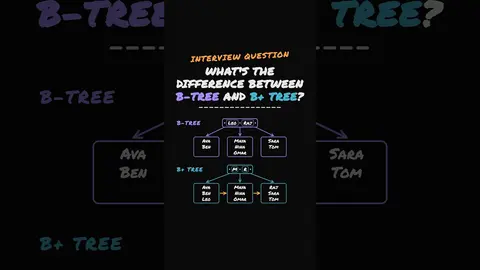
    In a standard B-tree, keys and row pointers are stored at every level, including the root and middle boxes. While this occasionally allows a lookup to stop early at the top, almost all records in massive databases sit at the bottom anyway.

    KodeKloud
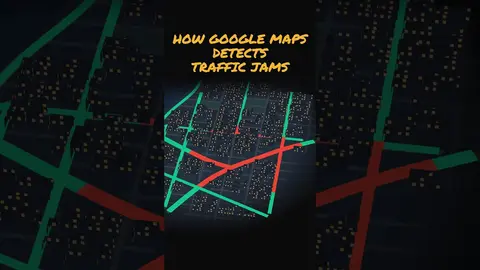
  • How Google Maps Knows There’s a Traffic Jam?

    When you see a dark red road on Google Maps, that live traffic update comes directly from millions of smartphones traveling inside vehicles. Every few seconds, navigating phones send their GPS coordinates and timestamps, allowing Google to calculate how fast each car is moving.

    KodeKloud
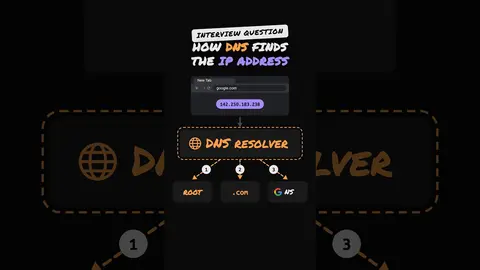
  • Interview: How DNS Finds a Website’s IP Address

    Many people assume DNS is a single massive database containing every website's IP address, but it is actually a global distributed hierarchy. When you type google.com, your computer first checks your browser's cache and your operating system's shared cache.

    KodeKloud
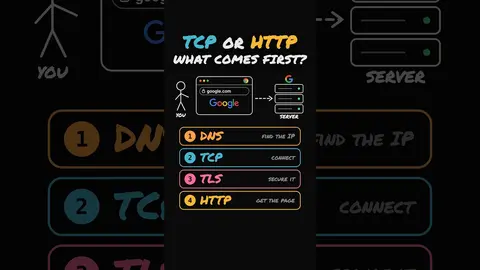
  • Interview: How TCP, TLS and HTTP Actually Work Together

    When you type a website URL into your browser, several networking protocols must coordinate in a precise order before any webpage can load. First, your browser performs a DNS lookup to translate the domain name into an IP address.

    KodeKloud
  • System Design: How YouTube Knows Where to Resume

    If your Wi-Fi drops while uploading a massive 20GB video, YouTube doesn't force you to restart from zero. While basic network protocols like TCP retransmit lost packets during an active stream, a total disconnect wipes that connection memory completely.

    KodeKloud
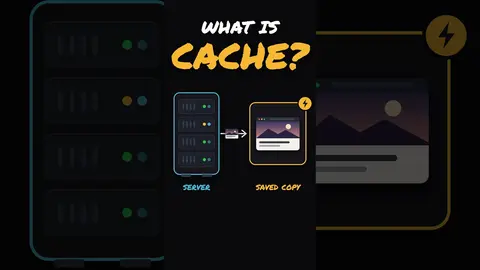
  • What is Caching?

    Ever swipe away phone apps thinking it saves battery? You’re actually breaking the single greatest cheat code in computing: caching. Caching simply means saving completed work so you don't have to redo it later.

    KodeKloud
  • AWS FINALLY FIXED IT!

    Amazon Web Services just overhauled its setup process to make building in the cloud much simpler. New users can now sign up using Google, GitHub, Apple, or Amazon accounts without needing a credit card to start.

    KodeKloud

Showing 8 of 8 stories

You're all caught up.

AiByts Weekly Brief

Get the top AI news and tools straight to your inbox every week.

Weekly · AI news

Join 15,000+ AI enthusiasts