
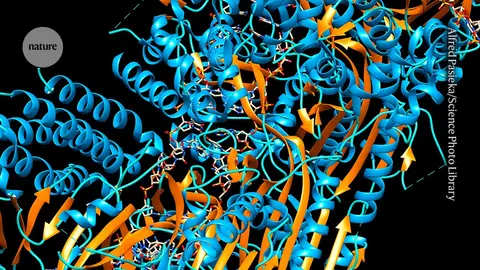
Novel CRISPR therapy is poised to gain first FDA approval to alter genes inside the body
Current gene-editing treatments require removal of a participant’s cells, a complex and costly approach.
Nature AI3 min read
5 stories
Current gene-editing treatments require removal of a participant’s cells, a complex and costly approach.
Circulating concentrations of low-density lipoprotein cholesterol (LDL-C) and triglyceride-rich lipoproteins are leading risk factors for atherosclerotic cardiovascular disease1.
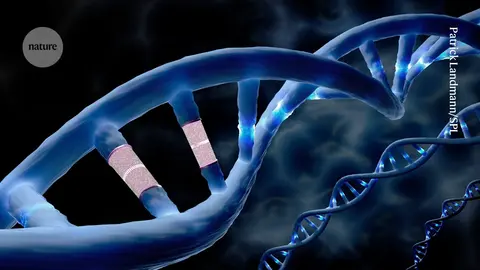
Application of the high-precision technique is part of a clinical trial to treat a genetic disease that can cause liver and nerve damage.
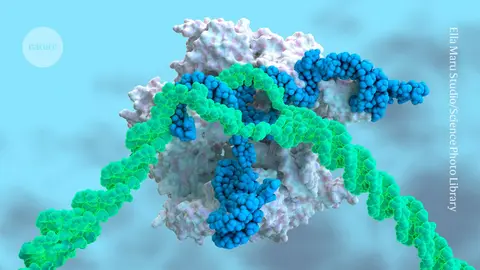
Gene-editing techniques could soon allow researchers to replace entire genes and engineer complex cellular circuits — if the systems can be delivered safely into cells.

The detection effort enlisted roughly 950 AI agents, which spent more than 21 hours combing through DNA sequence databases.
Showing 5 of 5 stories
You're all caught up.
Get the top AI news and tools straight to your inbox every week.
Weekly · AI news
Join 15,000+ AI enthusiasts