AI harness crash course
The model can write the code. It can't open your files, run your tests, or ask before doing something risky. The software that does all of that is the AI harness, and this crash course shows you how to design one.
7 stories
The model can write the code. It can't open your files, run your tests, or ask before doing something risky. The software that does all of that is the AI harness, and this crash course shows you how to design one.
It’s context load, not fresh eyes. A workflow you can set up in Claude Code today, and a small kata where a tautological test was…Continue reading on Towards AI »
Many developers keep database passwords and API keys in plain text in their MCP config. Here’s how to move them into 1Password and hand…Continue reading on Towards AI »
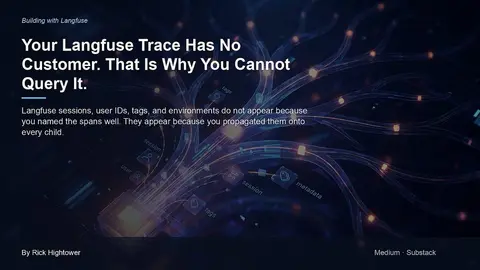
Part 4: A named Langfuse tree is still unqueryable until propagate_attributes stamps user, session, tags, metadata, and environment on…Continue reading on Towards AI »
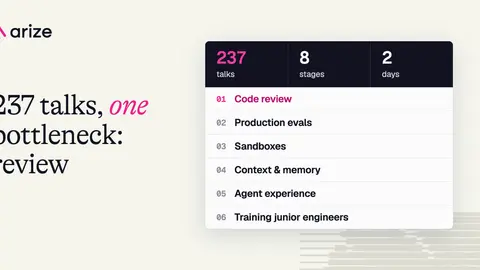
After 237 talks across eight stages, code review emerged as the bottleneck for AI-generated code. Here are the production eval, sandbox, context, and agent experience themes that kept showing up.
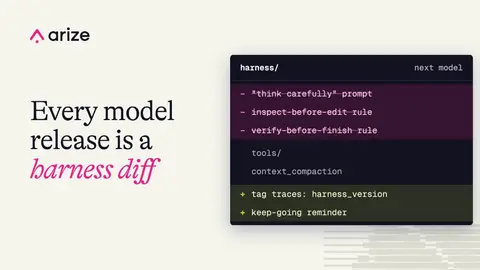
Harness distillation can train general scaffolding into a model. The harness that remains is the part tied to your tools, data, users, and environment. The post Are agent harnesses dying? What harness distillation changes appeared first on Arize AI.
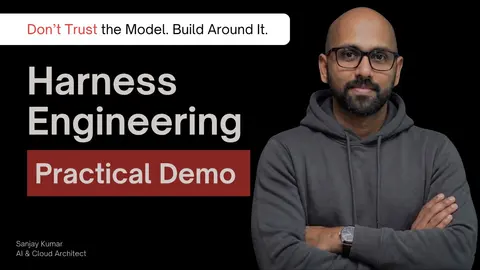
How do you make an AI agent more reliable without changing the model or continuously modifying the prompt? In this practical demo, we start with a very basic banking AI agent and progressively build a Harness around it.
Showing 7 of 7 stories
You're all caught up.
Get the top AI news and tools straight to your inbox every week.
Weekly · AI news
Join 15,000+ AI enthusiasts