
Temporal Guardrails Move the Control Into the Event Log
Temporal guardrails change what an agent policy decides: not only whether this request is allowed, but whether it is allowed given everything the agent has already done.
Dev.to AI11 min read
70 stories
Temporal guardrails change what an agent policy decides: not only whether this request is allowed, but whether it is allowed given everything the agent has already done.

Mongabay details conflicting displacement claims at the proposed Pax Silica site, where officials also forecast major electricity and water needs.
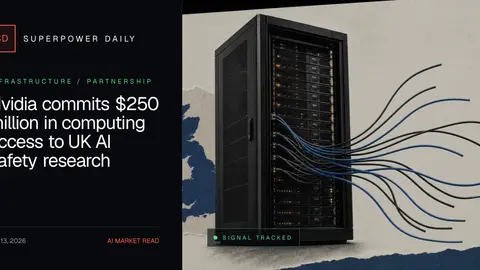
Most of the five-year commitment is intended for the wider research community. Cloud providers, technical architecture and commercial terms remain unsettled.
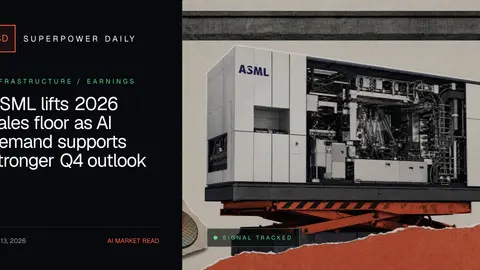
The equipment maker’s quarterly margin forecast also tops expectations, while its narrower annual sales range stops short of raising the upper target.
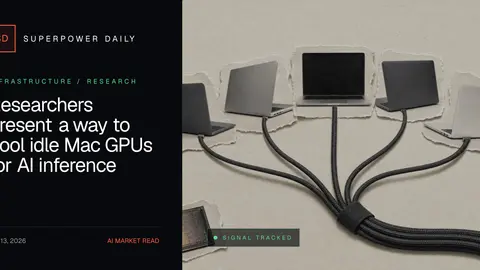
The Minions system targets teams facing costly, constrained GPU capacity by putting existing hardware to work. Its authors describe flexible task execution and fault tolerance.

Anthropic's latest research adds to the growing safety concerns around AI from the ability for models to carry out cyberattacks to the technology going rogue.
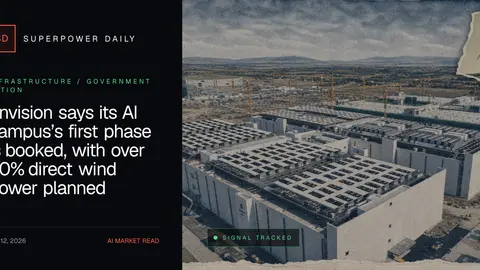
Galaxy Campus in Ulanqab is still under construction. Customers will supply its computing hardware, making access to advanced chips a constraint even with abundant power.
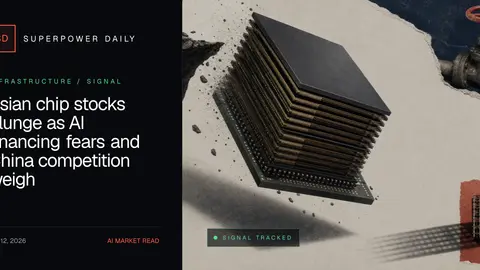
Sharp losses in Korean memory makers came despite analysts’ warnings that CXMT’s reported progress does not yet threaten their dominance in advanced AI memory.
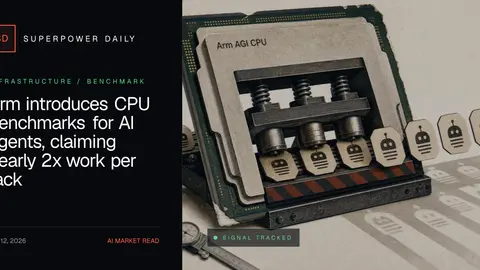
The methodology has support from Fujitsu, Meta and OpenAI. Arm’s rack-level advantage is modeled from measured server performance, not a direct measurement of complete racks.
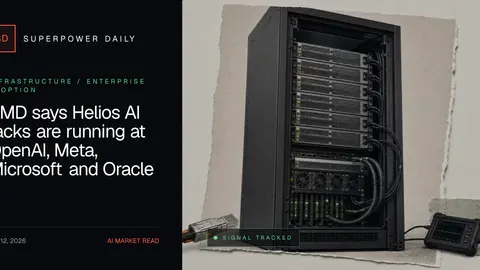
The installation disclosure marks progress beyond customer commitments, while deliveries and workload validation remain underway.
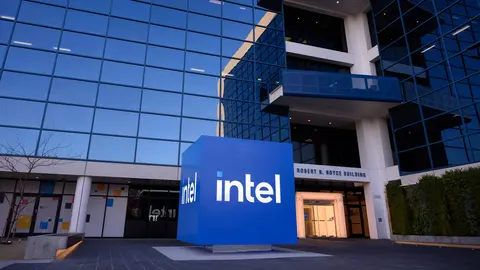
Intel Corp. Chief Executive Lip-Bu Tan and Hock Tan, his counterpart at Broadcom Inc., have flagged capital access as a potential challenge for the artificial intelligence sector. The executives shared their observations today during a financial conference in Singapore.
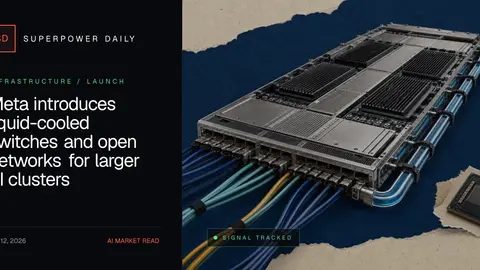
The summit package changes how GPUs share traffic and how switches shed heat. A companion platform standard targets repeated integration work, but remains under review.
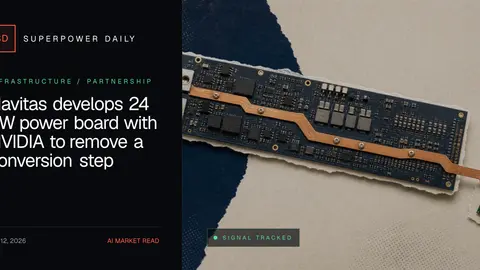
Navitas Semiconductor has developed a power board with NVIDIA that removes a conversion step between an AI data center’s electrical supply and its processors.
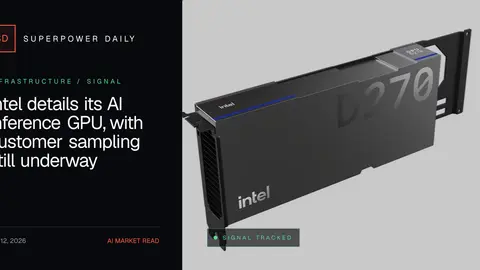
The OCP Summit presentation pairs an air-cooled accelerator with Xeon racks and shared software. Its largest memory configuration belongs to partner-built cards, not Intel’s own.
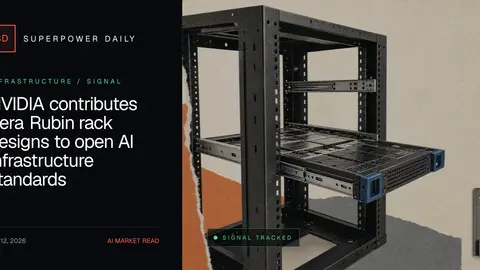
The OCP Summit package pairs hardware designs with facility specifications and open-source operating tools. Its grid standard sets a recovery target, not a measured result.
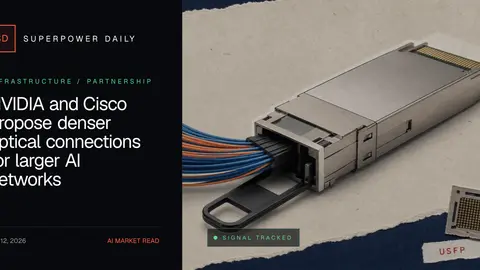
The planned USFP modules would preserve removable optics while increasing bandwidth density. Hardware partners are involved, but an open specification is still to come.
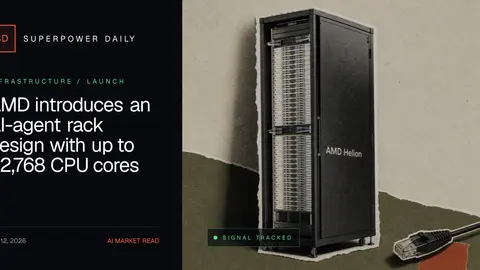
Helion offers separate agent-execution capacity or an integrated CPU/GPU system. AMD targets November availability, but independent coverage gives a later schedule.
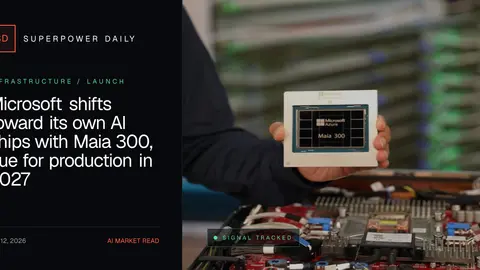
The shift targets running AI models, not training them. Microsoft promises denser racks and better power efficiency, but outside testing remains a missing piece.
Showing 18 of 70 stories
Load more storiesGet the top AI news and tools straight to your inbox every week.
Weekly · AI news
Join 15,000+ AI enthusiasts