A serial entrepreneur raised $17 million to build a Big Law alternative. Read the pitch deck.
Arceus combines a law firm with software. The bet is that in-house legal teams don't want another tool to manage; they want the work done faster.
17 stories
Arceus combines a law firm with software. The bet is that in-house legal teams don't want another tool to manage; they want the work done faster.
Clio has bought Learned Hand, a startup building AI tools for judges and law clerks.
How reliable is AI for creating legal contracts? Reliable as a drafting starting point, not a final answer. Learn where AI helps, where lawyers must review, and how to use it safely.
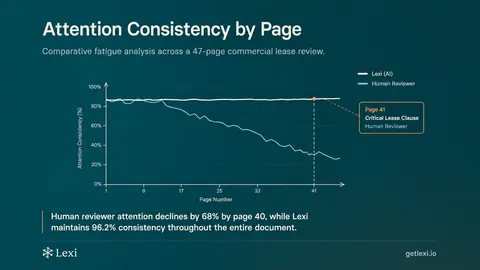
AI vs human attention in legal document review: why focus drops in long contracts, what lawyers miss, and how to build a safer review workflow.
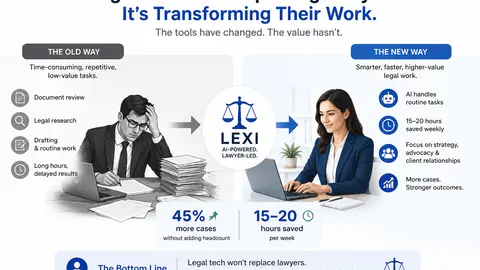
How lawyers use AI in practice: drafting, contract review, research, translation, and file organization—safely, with verification and lawyer oversight.
Is AI generated legal work reliable? Yes—when lawyers use legal-specific workflows, verify sources, and review the final output before relying on it.
Understand the risks of copy-pasting contract clauses, including mismatched definitions, inherited liability terms, and boilerplate errors lawyers should review.
Is AI legal advice safe in India? It can help with legal information and drafting, but relying on it without lawyer review creates serious risk.
Can AI replace a lawyer for legal documents? For low-risk drafting and first-pass review, sometimes yes—but high-stakes documents still need lawyer judgment.
Legal tech jobs vs law firm jobs is not a zero-sum fight. See how AI is changing legal roles, training, and hiring without replacing lawyers.
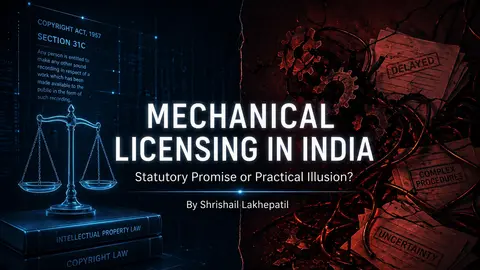
While Section 31C of the Copyright Act aims to democratize music through statutory licensing, it remains a "practical illusion." Complex procedural mandates, judicial inconsistencies, and fragmented rights management create significant barriers.
Lexi’s launch on WhatsApp and Telegram provides "always-on" legal intelligence for highly mobile practitioners. By instantly analyzing complex documents on-the-go, it eliminates the "post-win trap" of predatory corporate clauses.
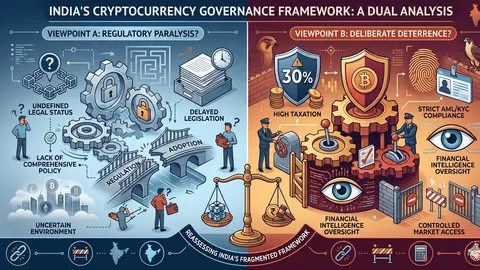
India’s cryptocurrency governance is a fragmented system of "deliberate deterrence" rather than cohesive policy. By leveraging tax penalties and AML mandates without formal legal definitions, the state stifles domestic innovation and drives capital offshore.
India's DPDP Act profoundly reshapes artificial intelligence by mandating explicit consent and prioritizing data governance over data hoarding. While enforcing strict accountability and precision in automated decisions, the legislation leaves distinct regulatory gaps concerning algorithmic bias.
Indian companies are implementing AI to do analytics and compliance and MCA21 V3 reflects adoption of governance. Nevertheless, AI Bill 2025, the Companies Act responsibilities, the risk of collusion by CCI, duties under the DPDP, and labour or tax legislation led to liability exposure.
This blog examines the recent important question, “Whether AI-produced works should attract copyright protection under Indian law”. The post further explores the current legal text, international practice, recent doctrinal developments & suggests some recommendations for lawmakers and practitioners.
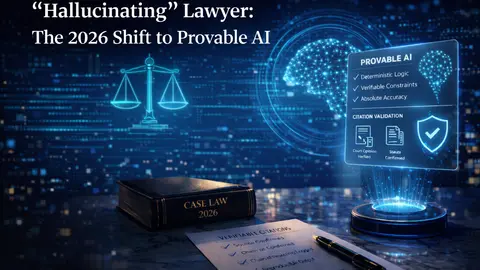
By 2026, severe judicial sanctions over AI "hallucinations" forced the legal industry to abandon traditional chatbots. Driven by strict new ethical mandates, the profession has pivoted to Provable AI—systems built on deterministic logic to guarantee absolute factual accuracy.
Showing 17 of 17 stories
You're all caught up.
Get the top AI news and tools straight to your inbox every week.
Weekly · AI news
Join 15,000+ AI enthusiasts