

from research paper to the big screen
A look behind the scenes at the technology helping performances cross languages, from the research behind Wav2Lip to Ramayana’s global theatrical release.
sync-3 Blog4 min read
10 stories
A look behind the scenes at the technology helping performances cross languages, from the research behind Wav2Lip to Ramayana’s global theatrical release.
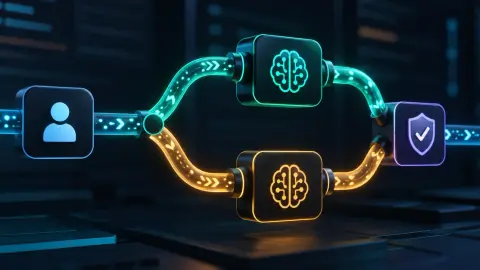
Translation APIs increasingly expose more than a single translate endpoint. Microsoft’s 2026 Translator migration guide documents a choice between neural machine translation and a supported LLM by request.

Video localization adapts a video's language, voice, and on-screen text for a new market. Here is what it involves, the methods, and how AI speeds it up.

Dubbing replaces a video's original dialogue with a new voice track in another language. Here is what dubbing is, the main types, and how AI dubbing works.

What YouTube auto dubbing is, how it works in 2026, which languages it covers, and the lip sync gap that still makes auto-dubbed videos look dubbed.
AI dubbing keeps the speaker's voice and lip movement, subtitles are cheapest, voiceover is fastest to record. Here is how the three methods compare.
Translate YouTube videos in one pass with sync. labs: clone the creator's voice, re-sync their lips, and add the dub as a multi-language audio track.
AI dubbing is safe when you control voice rights, consent, and data. Here is what to check, and how sync. labs keeps dubbing consent-first.
AI dubbing sounds robotic when it ignores voice, timing, and lip movement. Here is why it happens and how sync. labs models fix it.

Translate a video to English in one pass with sync. labs: clone the speaker's voice, re-sync their lips, and export in minutes, no studio.
Showing 10 of 10 stories
You're all caught up.
Get the top AI news and tools straight to your inbox every week.
Weekly · AI news
Join 15,000+ AI enthusiasts