
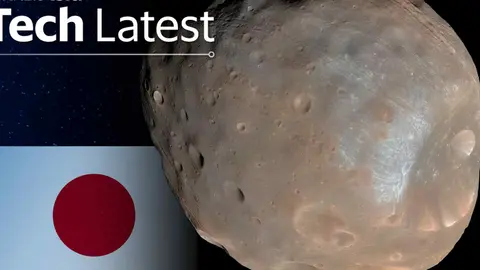
How Japan is charting its own path to Mars
Find us on Apple Podcasts | Spotify | YouTube | YouTube Music | Amazon Music | VoicyWelcome to the Tech Latest podcast. Every Tuesday, we deliver the
Nikkei Asia Tech1 min read
16 stories
Find us on Apple Podcasts | Spotify | YouTube | YouTube Music | Amazon Music | VoicyWelcome to the Tech Latest podcast. Every Tuesday, we deliver the

Cut-and-shut trundlebot with spiffy new paint job meant to be headed to the Moon in 2028

The microorganism grew despite being stuck in oxygen-free, carbon-rich, low-pressure, and extremely salty environments.

Article URL: https://www.spacex.com/launches/starship-flight-15 Comments URL: https://news.ycombinator.com/item?id=50416471 Points: 92 # Comments: 54
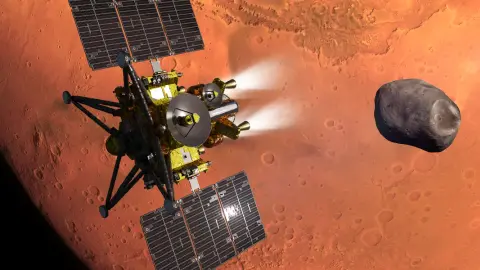
Last August, looking up from the edge of an ancient river delta on Mars, the Perseverance rover’s electronic eye spied an oblong shadow crossing the distant, glowing Sun. Phobos, the Martian moon named for the Greek god of fear and panic, was transiting the solar disk.
Article URL: https://www.spacex.com/starfall Comments URL: https://news.ycombinator.com/item?id=50373308 Points: 187 # Comments: 120
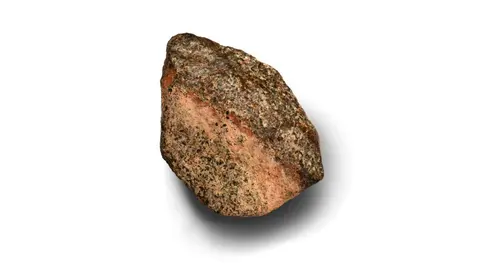
A meteorite found in the Sahara is a rare piece of Mars' ancient crust.

When nomadic prospectors stumbled across a curious rose-tinted rock scattered across Mali’s desolate salt plains...
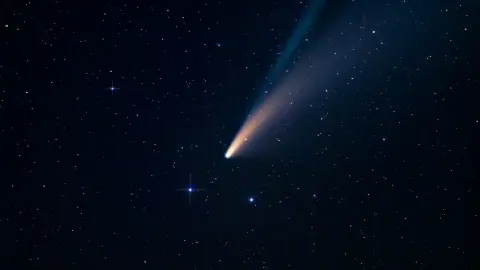
A Cambridge-led study suggests comets rarely delivered useful quantities of life’s molecular ingredients to early Earth because impacts destroyed them and surviving material wouldn’t have stayed concentrated at the surface for long.
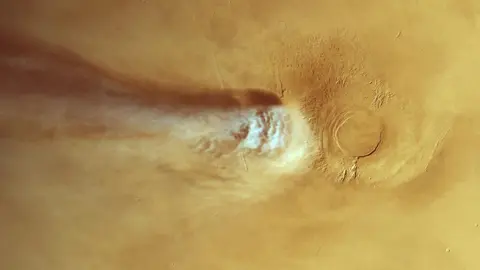
A new model suggests Mars may host ice-forming physics never directly observed before.
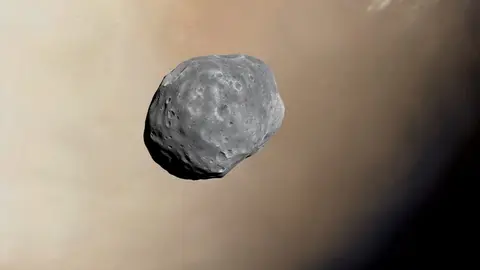
The climax for MMX will come in 2029, when the spacecraft will attempt up to two landings on Phobos.
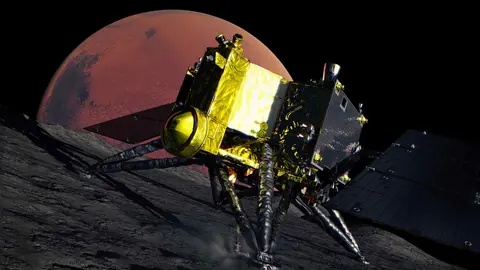
TOKYO -- Japan's mission to collect samples from Mars moon Phobos got underway on Tuesday after its H3 rocket, operated by Japan Aerospace Exploration
Map generation tasks feature extensive non-structural vectorized data (e.g., points, polylines, and polygons) and thus pose significant challenges to common pixel-wise generative models.
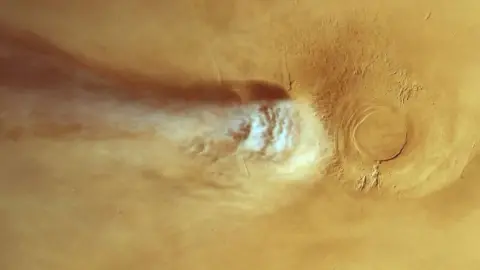
The physical process likely behind this cloud's formation has never been observed in a planetary atmosphere before.
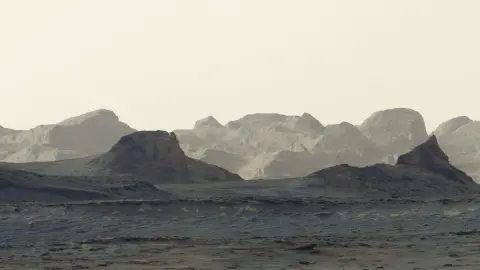
NASA's Curiosity rover captured the soft morning light illuminating the Martian landscape.
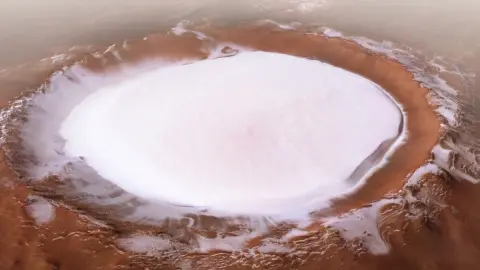
Previous research pointed to copious amounts of dust atop the arctic Martian wasteland, but a clearer picture is coming into focus.
Showing 16 of 16 stories
You're all caught up.
Get the top AI news and tools straight to your inbox every week.
Weekly · AI news
Join 15,000+ AI enthusiasts