LLM Context Windows in 2026: GPT-4o Is 128K, the Frontier Is 1M, and What Happens When a Chat Runs Out
GPT-4o has a 128,000-token context window and can write at most 16,384 tokens in a single reply, with the reply counted inside the same 128,000.
57 stories
GPT-4o has a 128,000-token context window and can write at most 16,384 tokens in a single reply, with the reply counted inside the same 128,000.
A long conversation costs far more than its number of turns suggests, because every request carries the system prompt and the entire history again, so total input grows with the square of the number of turns.
The Claude API costs between $1 and $10 per million input tokens and between $5 and $50 per million output tokens on Anthropic's current models.
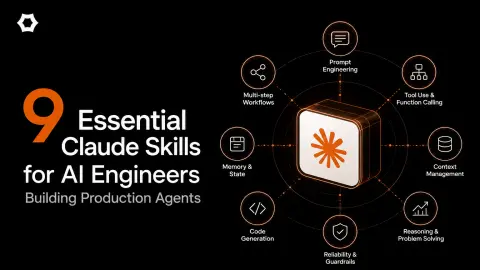
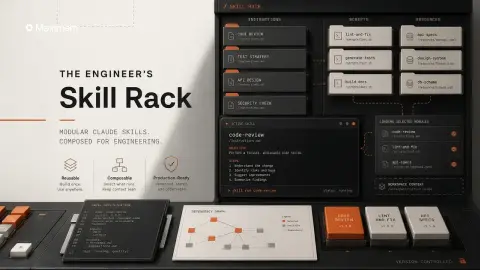
Nine Claude Skills we run in production, plus one bonus, with the install command for each and what it saves you. Updated September 2026.
The decision is per step, not per site: a page can expose a clean search tool and leave its account settings as ordinary DOM controls, so an agent that picks one mode per domain gets the worst of both.
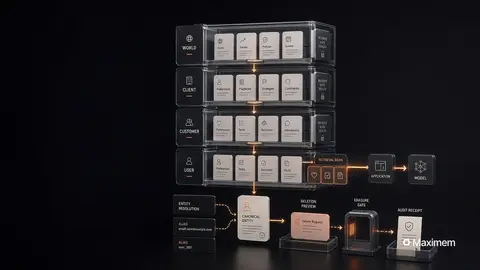
The best chatbot memory layer plugin captures durable user information, stores it with the right scope, retrieves only the relevant part of it, and updates or deletes it reliably.
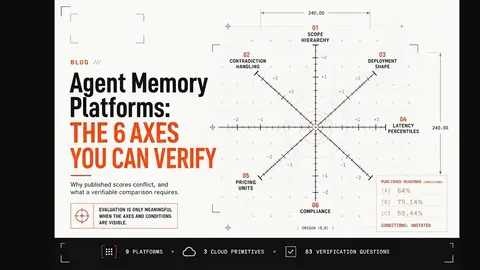
No single AI agent memory layer is best in 2026. The right one depends on tenant isolation, contradiction handling, where you can run it, and what a retrieval costs, all of which you can check in an afternoon.
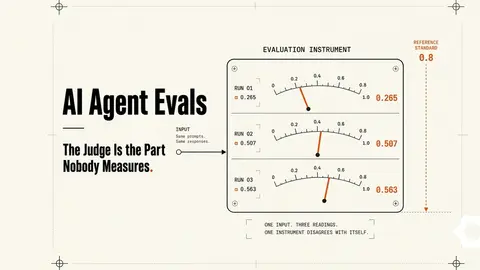
An LLM judge scoring the same agent output three times will often hand back three different answers, and almost no guide to agent evaluation asks whether the judge agrees with itself or what it costs to run on everything rather than a sample.
Every LLM call is stateless; agent frameworks solve that within a single run, which is why the memory problem only shows up once the run ends.
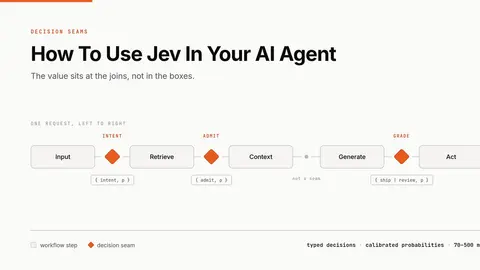
Jev cannot write a single word, which is the reason to care about it, so the question worth asking is never whether it should be your agent but which decisions inside your agent it should own.
Important Claude Code skills shipped since February 2026, what each replaces, install commands, and the security problem that came with the marketplace.
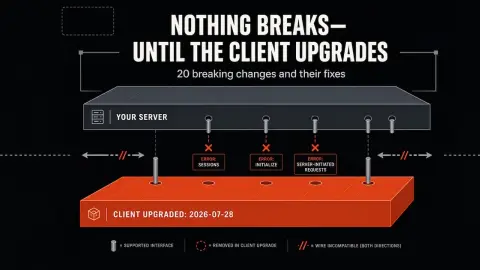
MCP 2026-07-28 removed sessions, the initialize handshake, and the ability for servers to initiate requests at all. It is wire-incompatible in both directions, so nothing breaks until a client upgrades underneath you.
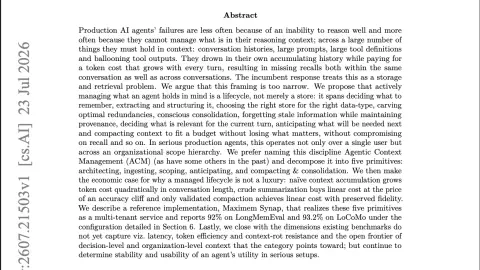
Most teams building AI agents are treating memory and inference cost as something the next model release will eventually fix. They believe that a bigger context window , a smarter retriever, a cheaper token rate, etc. would absolve the need for a system for solving agent memory . This posture is…
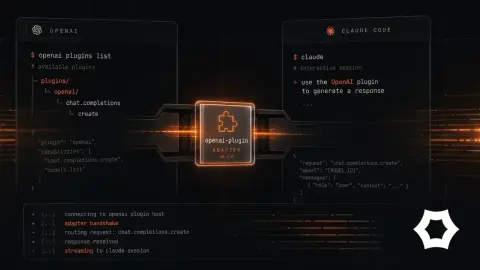
In March 2026, OpenAI open-sourced a plugin that runs Codex inside Claude Code. But it picked up steam over this last weekend as Sol 5.6 shipped. Here’s what’s happened recently and it says a lot about where the AI wars are going. What happened codex-plugin-cc is an official OpenAI plugin that adds…
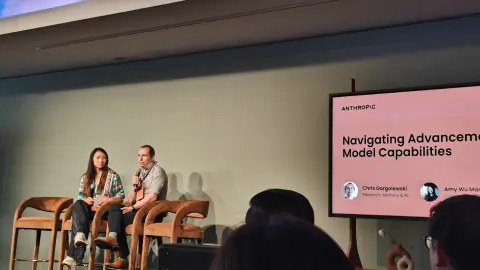
An Anthropic researcher told a room of founders to stop worrying about context windows. Here is the question I did not get to ask, and why a bigger window solves short-term memory with bad tradeoffs and does nothing for long-term memory.
Maximem Synap's persistent agent memory now integrates with LiveKit Agents. Per-caller persistence, entity resolution, and 92% LongMemEval, 93.2% on LoCoMo accuracy for production voice agents.
Maximem Synap's persistent agent memory now integrates with Pipecat. Per-caller persistence, entity resolution, and 92% LongMemEval, 93.2% on LoCoMo accuracy for production voice and multimodal pipelines.
Maximem Synap's persistent agent memory now integrates with Microsoft Semantic Kernel. Per-user persistence, entity resolution, and 92% LongMemEval, 93.2% on LoCoMo accuracy for .NET and Python production agents.
Showing 54 of 57 stories
Load more storiesGet the top AI news and tools straight to your inbox every week.
Weekly · AI news
Join 15,000+ AI enthusiasts