What’s New in Memoket: App V1.3.1
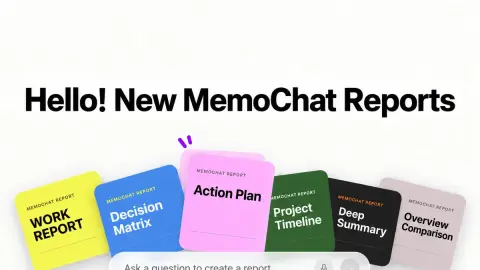
App V1.3.1 is out. This update brings MemoChat Reports, 1,000 professional templates, eight new integrations, and a rebuilt Desktop that now connects to MCP tools, CLI agents, and workflow automation platforms.More
19 stories
App V1.3.1 is out. This update brings MemoChat Reports, 1,000 professional templates, eight new integrations, and a rebuilt Desktop that now connects to MCP tools, CLI agents, and workflow automation platforms.More
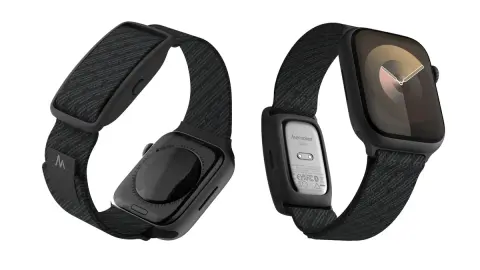
Apple Watch Series 12 ships with Siri Recap, and Granola now has a Watch app. Both can generate notes from your wrist. Neither was built to be a dedicated AI note taker — and both still leave you interruption-prone and battery-anxious. Here’s the full breakdown, and where Memoket Gem fits in.More
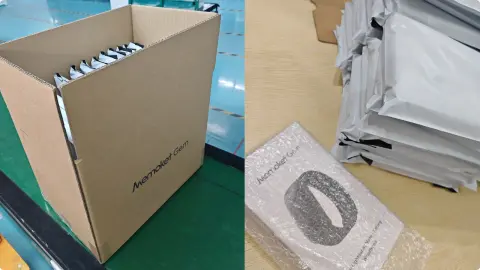
September was a big month. The Memoket App gets smarter transcripts, editable outputs, and eight new integrations. Memoket Desktop gets a full rebuild, a redesigned interface, and 22 connections to the tools, AI assistants, and workflows you already use.More
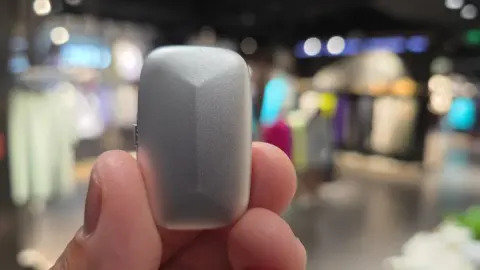
Your AI tools start every session with zero memory of your life. Memoket Gem is the 11g/0.4oz wristband that fixes that: it captures your real-world conversations and turns them into context ChatGPT, Claude, and Notion can actually use. $199 one-time. 300 free minutes every month.More
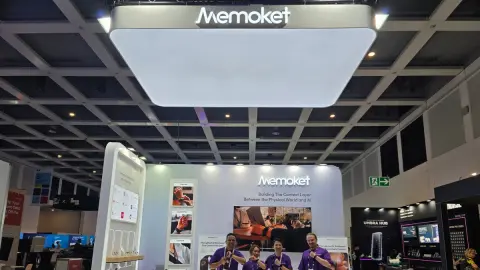
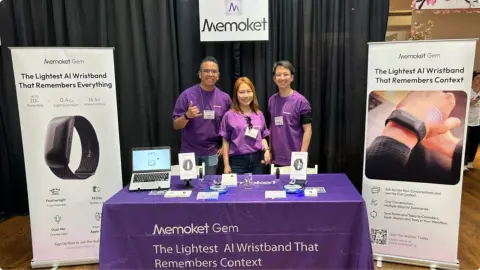
Our European debut at IFA Berlin 2026. Memoket Gem won an IFA Innovation Award and was recognized by Digital Trends, Techlicious, and Home Technology Review.
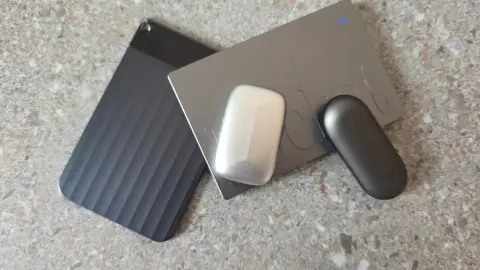
AI note takers fall into two categories: AI wearables that capture real-world conversations, and apps that transcribe scheduled video calls. Memoket Gem is the only device that does both, combining wearable hardware with software that synthesizes context across conversations, unlike Plaud, Pocket,…
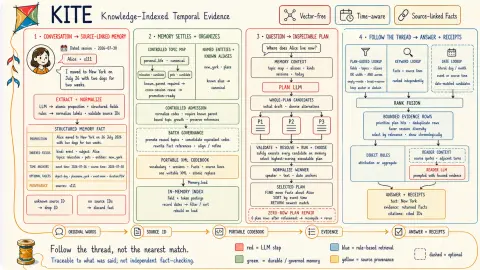
KITE is a vector-free memory engine that retrieves the memory that's true now, with inspectable, source-linked evidence.More
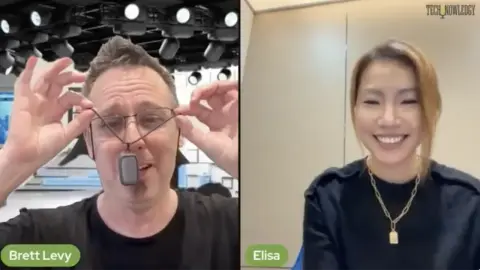
Last week, I sat down with Brett Levy on the TechKnowledgy podcast to talk about what has consumed my life for the past 15 months: Memoket. The episode was titled "I don't need to remember" — and that phrase captures everything I set out to build.More
Rule five: solve the problem people won't say out loud. Before Memoket was a company, before it was even a properly fleshed-out idea, I spent a long time using other people's note-taking devices. Some of them were genuinely good.
When people talk about go-to-market strategy in Shenzhen, they're usually talking about the same playbook. It's a good playbook. It has been refined over decades by some of the smartest operators in consumer electronics, and it works with remarkable consistency for the right kind of product.
If you spend your day in back-to-back conversations (client calls, team syncs, hallway decisions, coffee chats) that somehow turn into your whole roadmap, you already know the problem. The important stuff gets said out loud, and then it’s gone. Your notes catch a fraction of it.
It was a cloudy, windy morning in March and the three of us were crammed into a meeting room that was meant for two people. That was the whole office, really. Twenty people sharing a space that kept shrinking as the team kept growing.
People outside China have a version of Shenzhen in their heads that is half right. They know it's where things get made. They know it's fast. They know that if you need a component, a supplier, a factory tour, a prototype run, you can make it happen here in days that would take weeks or months…
There's a shift that happened in the technology world over the last few decades that most people lived through without fully noticing. It started in garages. Literally. Apple in Los Altos. HP in Palo Alto.
There's a device that sticks to the back of your iPhone with a magnet. It records meetings, transcribes them, summarizes them. It does exactly what it says it does.
For most of my career, I kept a notebook. Not a fancy one. Just whatever was sitting on the desk — lined pages, a pen that actually worked, and enough discipline to write down what mattered before I forgot it. In my years at Anker, I must have filled dozens of them. Meeting agendas. Action items.
There's a version of using AI that makes you genuinely better at your job. And there's a version that quietly hollows out your work until you're just a person copy-pasting between a chatbot and a document, wondering why none of it feels like yours anymore. Both are easy to fall into.
Here's something that took me embarrassingly long to figure out: AI tools aren't really limited by intelligence anymore. They're limited by context. ChatGPT, Claude, the whole lot of them — they're incredibly capable. But they only know what you tell them.
Showing 18 of 19 stories
Load more storiesGet the top AI news and tools straight to your inbox every week.
Weekly · AI news
Join 15,000+ AI enthusiasts