
What to do when your RPA vendor doubles the price
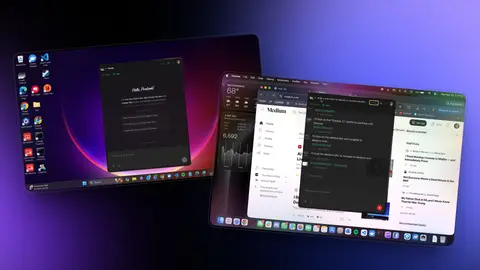
When your automation costs double, you face a choice: stay on brittle bots or switch to computer use agents that adapt to change. Here is how.
Coasty Blog2 min read
143 stories
When your automation costs double, you face a choice: stay on brittle bots or switch to computer use agents that adapt to change. Here is how.
When the UI changes, traditional RPA breaks. Computer use agents see the screen and adapt, so your standard operating procedures stay useful and your bots stay running.
Traditional RPA breaks when screens change. Computer use agents adapt to any UI and follow SOPs without flowcharts. See why the maintenance treadmill ends with agents.
Insurance claims are high-volume, high-friction, and full of exceptions. Traditional RPA breaks when screens change, and legacy apps block it entirely. Computer use agents see the screen and adapt, so you can stop rebuilding bots every quarter.
Legacy RPA bots break with every UI update, tying your best developers to a rebuilding treadmill. Computer use agents see the screen, follow SOPs, and adapt, without brittle selectors. Here is how to move without the risk.
RPA bots break when the UI changes, and every fix costs dev time. Computer use agents survive those changes and follow SOPs directly. Here is an honest, data-backed path to a more durable automation strategy.
RPA bots break when UIs change, but agents see the screen and work around unexpected states. Here is why computer use agents replace brittle bots for process automation.
Every UI update forces an RPA bot into maintenance mode. Computer use agents see the screen and adapt, turning brittle bots into durable automation.
Service desk automation is stuck in a maintenance treadmill. Here is why computer use agents are the durable path forward, and how to start.
RPA bots break when screens change and cost a fortune to rebuild. Computer use agents see the screen and adapt, turning brittle maintenance into durable automation.
Most enterprise bots stop at the first glitch. AI agents see the screen, reason through complications, and keep going. The cost of staying on legacy RPA is rising. Computer use agents offer a durable way forward.
Most enterprises assume they are paying for automation capacity, but they are actually paying for maintenance. The math only works while bots stay stable. A new generation of computer use agents changes the equation.
Your automation backlog is growing, not shrinking. The real cost is not licensing but the relentless rebuilds, fragile selectors, and exception handling that burn engineering time.
Breaking the RPA rebuild cycle and turning your existing standard operating procedures into durable automation.
A single UI change can take a bot offline and wake you up. AI agents that see the screen adapt to change and stay running, so you can sleep through the night.
Traditional RPA breaks every time the UI changes, forcing costly rebuilds. Computer use agents read the screen and follow SOPs directly. Learn how to audit your agents, avoid the RPA backlog, and build a durable digital workforce.
IDP plus RPA is brittle and expensive. A computer use agent survives UI changes, handles exceptions, and follows SOPs directly. Here is the honest comparison and a path to move forward.
Traditional RPA breaks when the UI changes and needs a human to rebuild the bot. Computer use agents see the screen and adapt, no selectors, no rebuilds, no developer backlog.
Showing 54 of 143 stories
Load more storiesGet the top AI news and tools straight to your inbox every week.
Weekly · AI news
Join 15,000+ AI enthusiasts