Know a great AI tool or AI news source? Submit it to AiByts

systemdesign

19 stories

Stories

  • How NAT Lets Multiple Devices Share One IP

    Under the older IPv4 standard, an entire household typically shares a single public IP address, while every phone, laptop, and smart TV inside uses a local private IP that cannot be routed over the open internet. To bridge this gap, your router uses NAT (Network Address Translation).

    KodeKloud

  • How Cloudflare Stops a 31 Tbps DDoS Attack

    When a DDoS (Distributed Denial of Service) attack strikes, millions of compromised devices flood a target with tens of terabits of traffic per second, overwhelming network pipes and cutting off real visitors.

    KodeKloud
  • AIエージェントの非同期ツール呼び出し:なぜブロッキングなrun()よりstart()が優れているのか

    要点: AIエージェントの非同期ツール呼び出し(Async Tool Calls)は、ブロッキングな1回のrun()をシンプルに分割した仕組みです。start()ですぐにジョブハンドルを返し、status()で進捗を報告し、stop()でキャンセルを実行。処理結果は後からイベントとして返され、エージェントは次のターンでそれを読み取ります。これにより、時間のかかるタスクの実行中でも、エージェントは対話を続け、新たな指示を受け付けられます。 今すぐApidogを試す…

    Dev.to AI12 min read
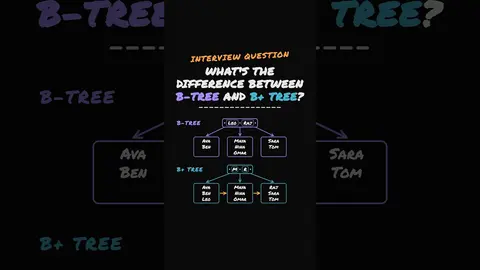
  • Interview: B-Tree vs B+ Tree

    In a standard B-tree, keys and row pointers are stored at every level, including the root and middle boxes. While this occasionally allows a lookup to stop early at the top, almost all records in massive databases sit at the bottom anyway.

    KodeKloud
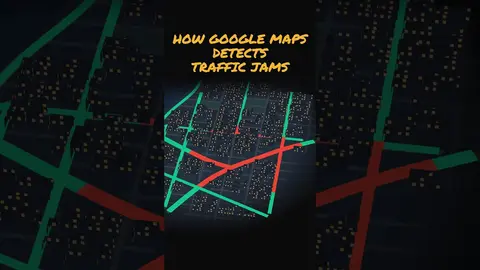
  • How Google Maps Knows There’s a Traffic Jam?

    When you see a dark red road on Google Maps, that live traffic update comes directly from millions of smartphones traveling inside vehicles. Every few seconds, navigating phones send their GPS coordinates and timestamps, allowing Google to calculate how fast each car is moving.

    KodeKloud
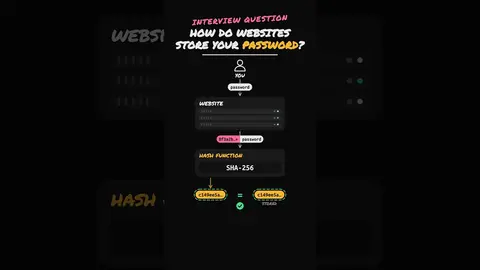
  • Interview: How Do Websites Store Passwords?

    How Websites Check Passwords Without Ever Storing Them! Secure websites never actually know or store your real password in a database. Instead, they pass your password through a one-way hash function, which behaves like a digital blender: once scrambled into a unique string of characters, it can…

    KodeKloud
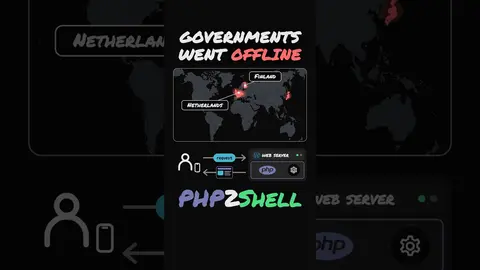
  • Why This PHP Bug Is So Dangerous?

    Governments and major organizations recently took public websites offline after researchers uncovered critical vulnerabilities in PHP, the language powering over 70 percent of the web. To handle heavy traffic, servers rely on persistent PHP workers that process user requests one after another.

    KodeKloud
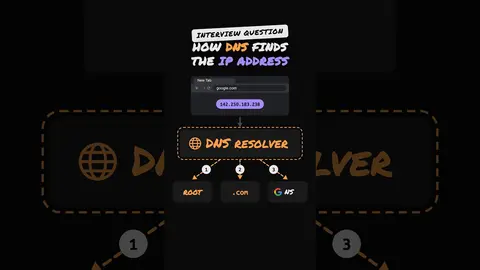
  • Interview: How DNS Finds a Website’s IP Address

    Many people assume DNS is a single massive database containing every website's IP address, but it is actually a global distributed hierarchy. When you type google.com, your computer first checks your browser's cache and your operating system's shared cache.

    KodeKloud
  • Interview: How TCP, TLS and HTTP Actually Work Together

    When you type a website URL into your browser, several networking protocols must coordinate in a precise order before any webpage can load. First, your browser performs a DNS lookup to translate the domain name into an IP address.

    KodeKloud
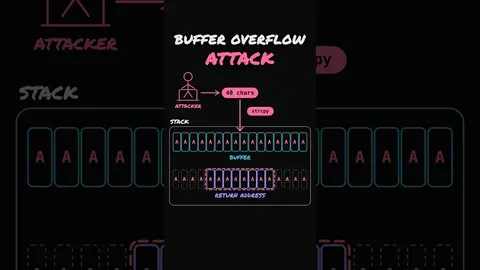
  • How a Buffer Overflow Attack Actually Works

    When a program reserves a fixed block of memory on the stack, like a 16-byte variable for a username, functions like strcpy in C copy user input without checking its size.

    KodeKloud
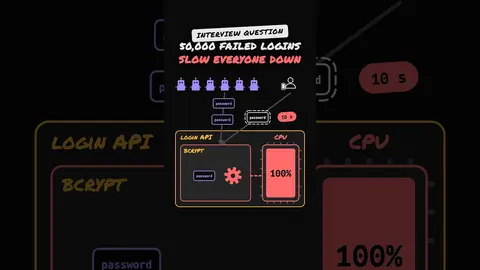
  • Tricky Software Interview Question!

    When bots flood a login endpoint with 50,000 failed attempts across 30,000 IP addresses, legitimate users suddenly face ten-second delays. The bottleneck isn't the network—it’s bcrypt.

    KodeKloud
  • Why Git Wasn’t Enough for Anthropic!

    Anthropic’s AI agents merge over 30,000 code updates every single day, triggering a staggering 25 million automated testing jobs. Under standard Git, every single test machine had to clone gigabytes of repository history just to verify a one-file bug fix, generating an unsustainable 600 petabytes…

    KodeKloud
  • System Design: How YouTube Knows Where to Resume

    If your Wi-Fi drops while uploading a massive 20GB video, YouTube doesn't force you to restart from zero. While basic network protocols like TCP retransmit lost packets during an active stream, a total disconnect wipes that connection memory completely.

    KodeKloud
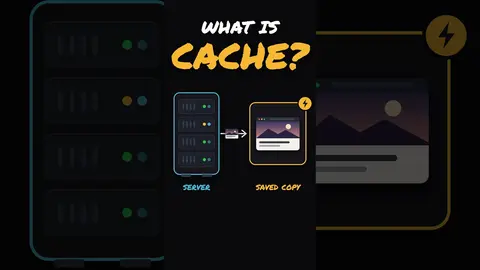
  • What is Caching?

    Ever swipe away phone apps thinking it saves battery? You’re actually breaking the single greatest cheat code in computing: caching. Caching simply means saving completed work so you don't have to redo it later.

    KodeKloud
  • SignalForge: Designing a Memory-Powered AI Agent for Competitive Intelligence

    The Problem Competitive information can appear in many forms: Feature and product launches Pricing changes Marketing campaigns Promotional offers Product announcements Changes in messaging Other market signals When these activities are viewed independently, it can be difficult to understand the…

    Dev.to AI4 min read

Showing 18 of 19 stories

Load more stories
AiByts Weekly Brief

Get the top AI news and tools straight to your inbox every week.

Weekly · AI news

Join 15,000+ AI enthusiasts