Know a great AI tool or AI news source? Submit it to AiByts

TechExplained

12 stories

Stories

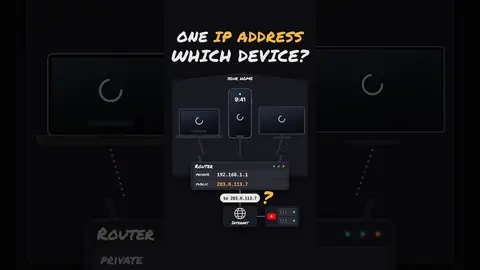
  • How NAT Lets Multiple Devices Share One IP

    Under the older IPv4 standard, an entire household typically shares a single public IP address, while every phone, laptop, and smart TV inside uses a local private IP that cannot be routed over the open internet. To bridge this gap, your router uses NAT (Network Address Translation).

    KodeKloud

  • How Cloudflare Stops a 31 Tbps DDoS Attack

    When a DDoS (Distributed Denial of Service) attack strikes, millions of compromised devices flood a target with tens of terabits of traffic per second, overwhelming network pipes and cutting off real visitors.

    KodeKloud
  • How a Long Password Broke SSH on Alpine Linux

    In Alpine Linux, typing an SSH password between 257 and 1024 characters can grant an attacker unauthorized access to accounts that do not even have a password, letting them escalate straight to root via doas.

    KodeKloud
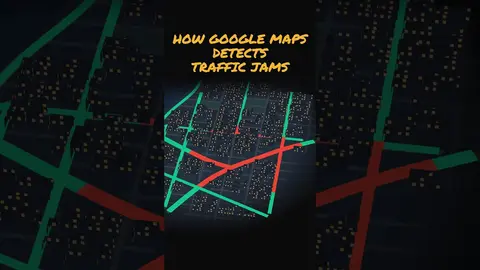
  • How Google Maps Knows There’s a Traffic Jam?

    When you see a dark red road on Google Maps, that live traffic update comes directly from millions of smartphones traveling inside vehicles. Every few seconds, navigating phones send their GPS coordinates and timestamps, allowing Google to calculate how fast each car is moving.

    KodeKloud
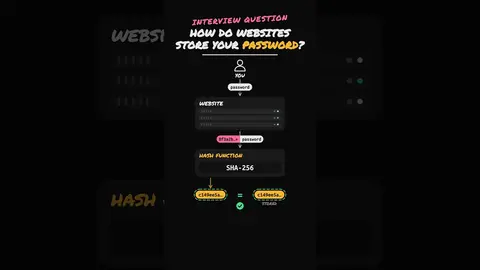
  • Interview: How Do Websites Store Passwords?

    How Websites Check Passwords Without Ever Storing Them! Secure websites never actually know or store your real password in a database. Instead, they pass your password through a one-way hash function, which behaves like a digital blender: once scrambled into a unique string of characters, it can…

    KodeKloud
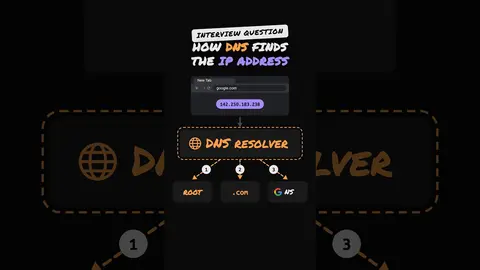
  • Interview: How DNS Finds a Website’s IP Address

    Many people assume DNS is a single massive database containing every website's IP address, but it is actually a global distributed hierarchy. When you type google.com, your computer first checks your browser's cache and your operating system's shared cache.

    KodeKloud
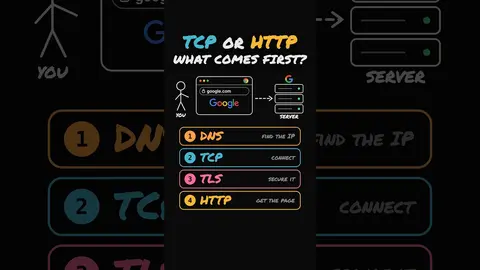
  • Interview: How TCP, TLS and HTTP Actually Work Together

    When you type a website URL into your browser, several networking protocols must coordinate in a precise order before any webpage can load. First, your browser performs a DNS lookup to translate the domain name into an IP address.

    KodeKloud
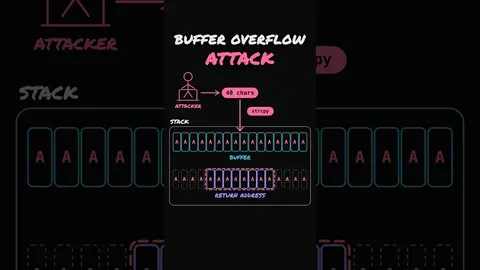
  • How a Buffer Overflow Attack Actually Works

    When a program reserves a fixed block of memory on the stack, like a 16-byte variable for a username, functions like strcpy in C copy user input without checking its size.

    KodeKloud
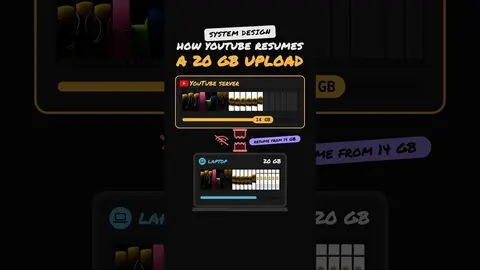
  • System Design: How YouTube Knows Where to Resume

    If your Wi-Fi drops while uploading a massive 20GB video, YouTube doesn't force you to restart from zero. While basic network protocols like TCP retransmit lost packets during an active stream, a total disconnect wipes that connection memory completely.

    KodeKloud
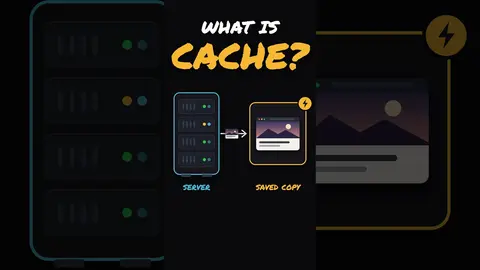
  • What is Caching?

    Ever swipe away phone apps thinking it saves battery? You’re actually breaking the single greatest cheat code in computing: caching. Caching simply means saving completed work so you don't have to redo it later.

    KodeKloud
  • Inside ADK: What You Actually Get, and How to Use It Well

    Google's Agent Development Kit (ADK) gives you a lot more than a way to call a model with tools. This video walks through what's actually in the kit — how agents get their tools, three different ways to orchestrate them, how they talk to agents built outside the framework entirely, and the…

    Scrollypedia

Showing 12 of 12 stories

You're all caught up.

AiByts Weekly Brief

Get the top AI news and tools straight to your inbox every week.

Weekly · AI news

Join 15,000+ AI enthusiasts