
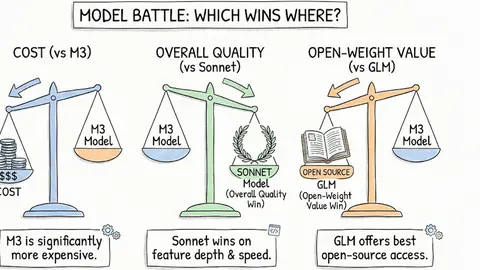
GLM 5.2 vs Sonnet 4.6 vs MiniMax M3: Benchmarks Tested
Verified benchmarks, licences and first-party prices for GLM 5.2, Sonnet 4.6 and MiniMax M3, updated for GLM 5.3, Sonnet 5 and Opus 5.5.
BetterClaw Blog30 min read
245 stories
Verified benchmarks, licences and first-party prices for GLM 5.2, Sonnet 4.6 and MiniMax M3, updated for GLM 5.3, Sonnet 5 and Opus 5.5.
MCP tools explained both ways: the protocol primitive (name, description, input schema, tools/call) and the ecosystem of servers you connect.
The Kimi K3 weights are out, and Runpod has a Public Endpoint where you can start using them right away with Runpod's security, privacy, and compliance.
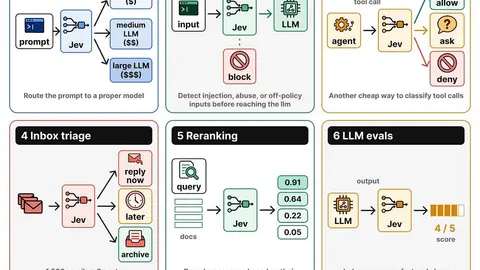
Jev is TypeSafe AI’s first System One Model. It is 100x faster and cheaper than frontier LLMs.
We replaced the 58 tools PXI used to drive the Phoenix UI with two tools and a JavaScript sandbox that runs in your browser tab. Here's why, how it works, and what it cost. The post How we built UI Code Mode into Arize Phoenix appeared first on Arize AI.
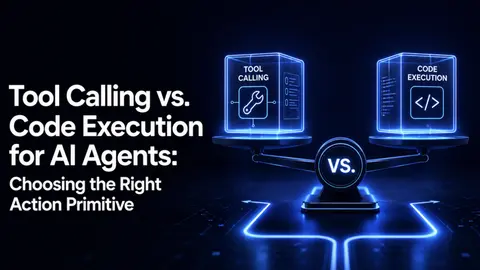
Theory is easier to trust once it's running against a real API, so both examples in this article use the same tool — a get_weather function backed by
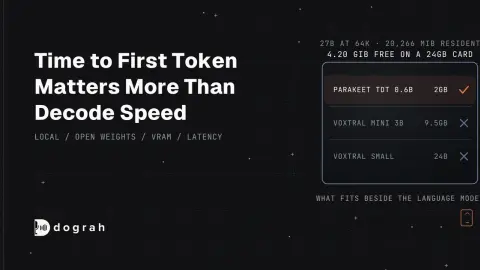
The build side of running voice AI locally: what fits on one 24GB card, which runtime to use per stage, and what the latency actually looks like on a phone call.
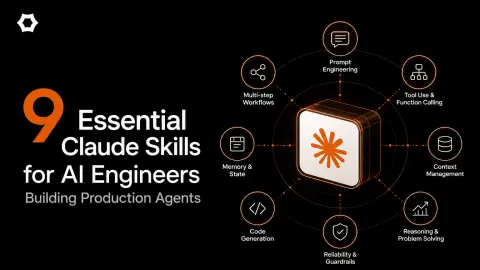
Nine Claude Skills we run in production, plus one bonus, with the install command for each and what it saves you. Updated September 2026.
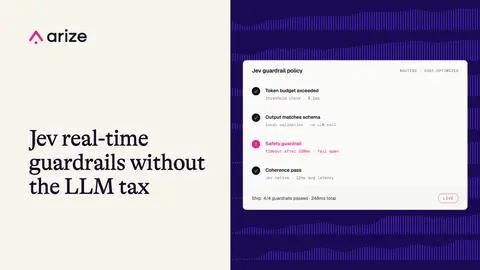
Compare Jev and GPT-5.4 nano for real-time LLM guardrails, with demo results on latency, cost, and checks on agent inputs, replies, and tool calls. The post Real-time LLM guardrails with Jev: comparing latency and cost appeared first on Arize AI.
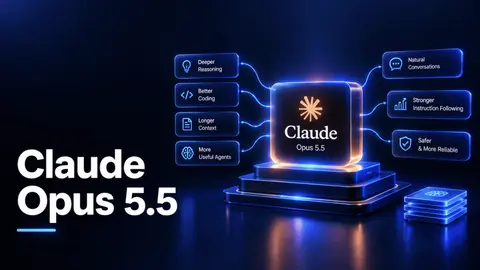
This article pulls together every verifiable number and detail from Anthropic's announcement, the platform documentation, the system card, and independent coverage, so you have one place to check the facts.
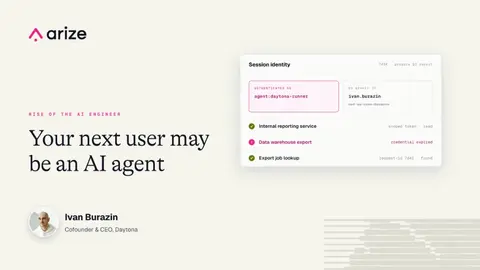
Daytona cofounder Ivan Burazin wants agents that can finish the job within the authority they have been given. His interview offers a starting point for examining how agents use your software. The post What changes when AI agents use your software appeared first on Arize AI.
Using GPT-5.6, Ringg powers multilingual agents across voice, chat, WhatsApp, and web for 90% less cost vs. GPT-4.1.
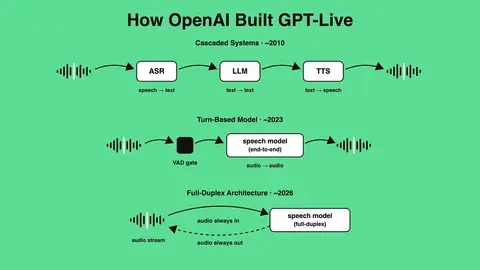
To understand how it all works end to end, we met with engineers on the GPT Voice team, Zahan Malkani and Justin Uberti (who created WebRTC).
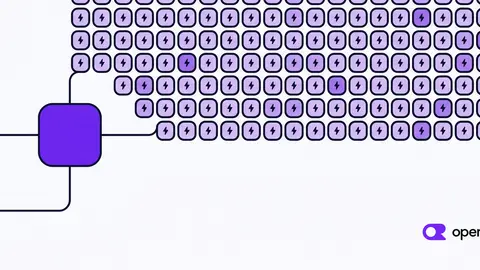
Nemotron 3.5 Lightning is NVIDIA's open-weight 30B mixture-of-experts model with about 3B active parameters per token, built for the high-volume execution calls in an agent run.
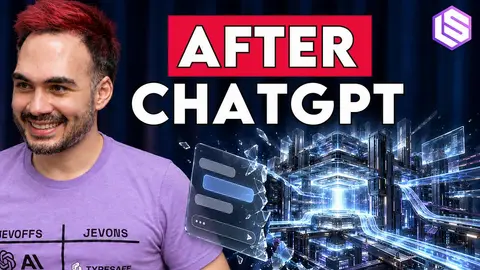
We have an unusual relationship with today’s guest: for years since coauthoring the InstructGPT paper, Diogo Almeida had been saying that API-available frontier models have been going down the wrong path, everything from the alignment to refusals to reliability perspectives, that we have dropped…

When you ship an AI agent, the key question is whether it can execute a chain of work across dozens of sequential tool calls against a live environment, and...

The debate between agentic AI vs generative AI centers on the shift from content creation to autonomous execution. Generative AI creates text, images, and software code based on specific prompts. In contrast, agentic AI pursues goals independently by...

This is the third post in a four-part series about post-training. If you missed them, read part 1 and part 2. The final post, on implementing your own pipeline, will be coming October 7.
Showing 126 of 245 stories
Load more storiesGet the top AI news and tools straight to your inbox every week.
Weekly · AI news
Join 15,000+ AI enthusiasts