
What's the difference between RAM and ROM memory?
RAM and ROM are two core types of memory used in every computing device, but their meanings haven't stayed the same since their inception.
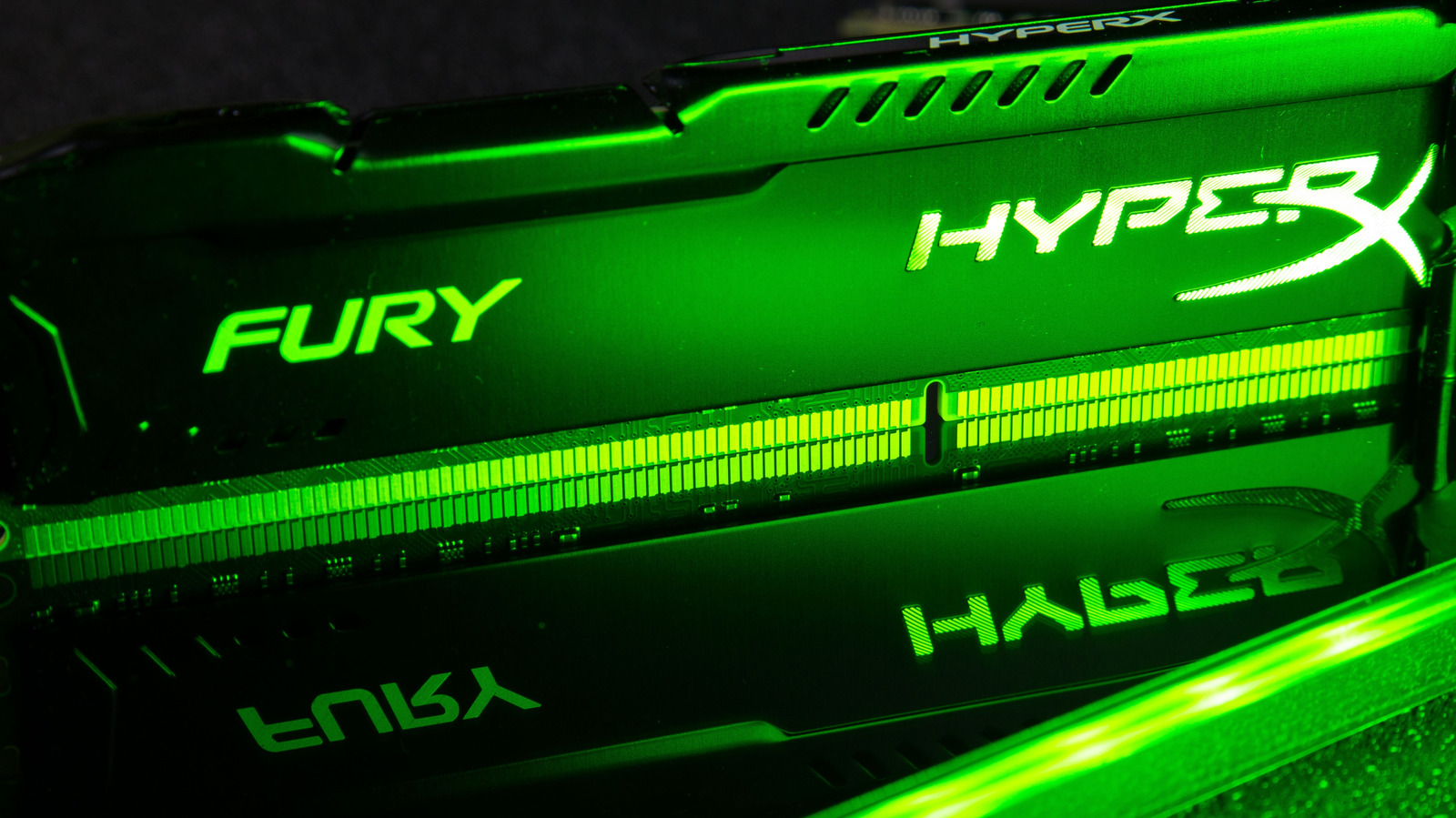
This article explains the fundamental differences between RAM and ROM memory, their historical evolution, and their modern implementations in computing devices.
What happened
The article clarifies the technical distinctions between RAM (volatile memory for active tasks) and ROM (non-volatile storage for firmware), while tracing the evolution of ROM from physically fixed data to reprogrammable flash memory. It also highlights how AI infrastructure demands are disrupting RAM supply chains.
Why it matters
Understanding memory types is critical for optimizing system performance and troubleshooting hardware limitations, especially as AI workloads intensify demand for high-capacity, low-latency memory solutions.
- RAM is essential for active processing but loses data on power loss
- Modern 'ROM' is typically flash memory that can be rewritten
- AI infrastructure demands are reshaping memory market dynamics
- ROM terminology has diverged from its original 'read-only' definition
- Understanding memory types helps diagnose hardware limitations and optimize performance
The bigger picture
AI data center investments are creating memory shortages for consumer devices, while evolving ROM technologies enable firmware updates and device customization.
The article provides a foundational understanding of RAM and ROM, emphasizing their evolving roles in computing and the broader implications of memory technology trends on AI and consumer electronics.
Technical details
- DRAM (Dynamic RAM) stores data in capacitors requiring periodic refreshes
- PROM (Programmable ROM) uses fusible links for one-time programming
- EPROM (Erasable PROM) uses UV light for erasure, EEPROM (Electrically Erasable PROM) uses electrical signals
- NAND/NOR flash memory underpins modern SSDs, smartphones, and USB drives
- Firmware updates rewrite BIOS/UEFI ROM chips via flash technology
FAQ
What is the primary function of RAM versus ROM?
RAM serves as temporary working memory for active processes, while ROM stores permanent instructions for system initialization.
How has ROM memory evolved over time?
ROM has transitioned from physically fixed data to reprogrammable technologies like flash memory, enabling firmware updates and greater flexibility.
Why are RAM prices increasing?
AI data centers are consuming most RAM production, driving up prices and reducing availability for consumer devices.
This summary and analysis were generated with AI from the original article and may contain errors. Read the original for the full story.
Read the full story
Originally published by Engadget on Oct 10, 2026.
Comments
Sign in to join the discussion.