
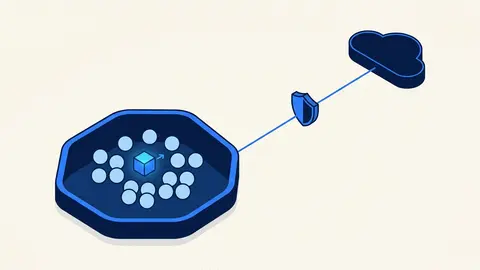
Why Radar Cloud Doesn't Cache Your Cluster State
Most multi-cluster dashboards copy your cluster state into a backend cache. Radar Cloud doesn't. Here's why the reverse-proxy model is the right call.
Radar Blog8 min read
Stay updated with the latest developments in Artificial Intelligence
Most multi-cluster dashboards copy your cluster state into a backend cache. Radar Cloud doesn't. Here's why the reverse-proxy model is the right call.

Kubernetes ops spans three surfaces: CLI, UI, and AI agent. kubectl is fine, but a live cluster graph deserves better than raw YAML - for humans and agents alike.
How Radar's in-cluster install works: outbound-only TLS, read-only RBAC by default, ~32MB RSS. The five questions every platform team asks, answered.

The most common question in our GitHub issues: do I need Radar Cloud, or is OSS enough? Here's the honest answer, with the five questions that actually decide it.
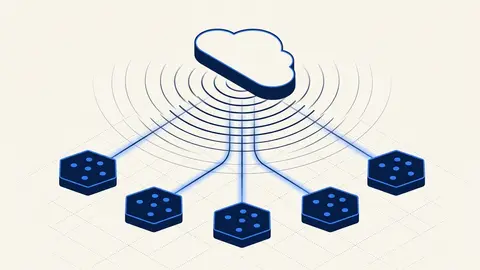
Radar Cloud is the team layer on top of Radar OSS: fleet views, Google and GitHub sign-in on every plan, K8s-native RBAC via impersonation. Current cluster state is read live, not replicated.

kubectl hands you one object at a time, as raw YAML. Here are five questions - relationships, isolation, image contents, history, posture - where that runs out of road.
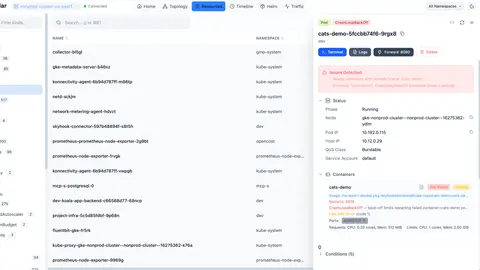
Most clusters fail the same checks. Radar's built-in audit runs 31 of them inline against your live state. Inspired by Polaris and the NSA / CISA hardening guide.
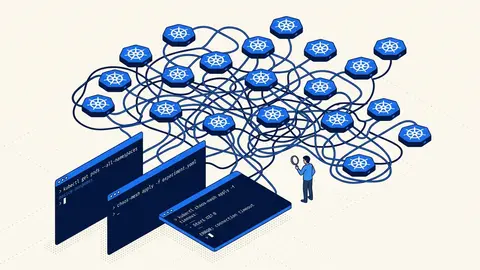
Every tool that worked at 2 clusters breaks at 8. kubectl, Lens, k9s, Headlamp are all single-cluster-at-a-time. Here's where the wall is and what it looks like.
Two shipping dates, one product line. Radar OSS in January, Radar Cloud in February. Here's the scope, the split, and what won't make it into v1.
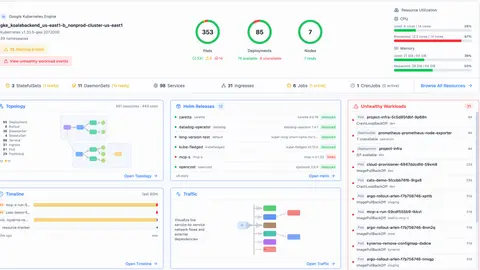
Radar is an open-source Kubernetes UI with a built-in MCP server for AI agents. Run it locally against any kubeconfig or deploy it in-cluster with Helm.
Showing 28 of 28 stories
You're all caught up.
Get the top AI news and tools straight to your inbox every week.
Weekly · AI news from Radar Blog
Join 15,000+ AI enthusiasts